Pick the band you think fits. One vote per browser on this title. You cannot change it after you vote.
Loading community votes…
Woke Breakdown
Message-first dialogue
10
Tokenistic characters
5
Ideology over story
8
Legacy rewriting
3
Modern politics injection
4
Protected protagonist pattern
6
Anti-traditional framing
5
Cultural normalization framing
7
Quick reasons
Dialogue occasionally feels like it is trying to convey a moral lesson rather than serving the characters.
While characters are well-drawn, some aspects feel more symbolic than organic to the narrative.
The film's focus on social commentary sometimes overshadows character development and plot progression.
There are moments where the adaptation alters the essence of the original work to fit contemporary sensibilities.
The film hints at modern themes but doesn't fully commit to them, leading to a mixed execution.
AI cultural analysis
Here's the read.
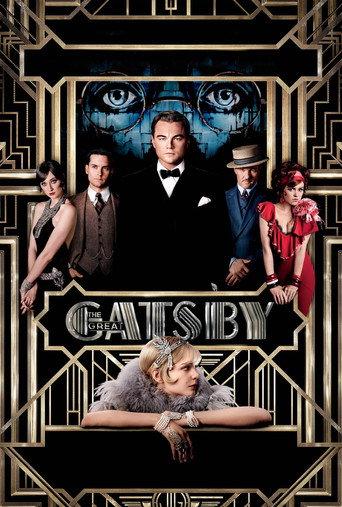
The Great Gatsby adaptation captures the opulence and tragedy of Fitzgerald's original work, but it occasionally stumbles into the realm of message-first storytelling. The dialogue sometimes veers into moral lecturing, detracting from the characters' authenticity and the narrative's flow. While the characters are compelling, a few feel more like vehicles for thematic exploration than fully realized individuals. The film's attempts to inject modern themes into the classic narrative can feel forced, as it tries to resonate with contemporary audiences while still maintaining the essence of the source material. Although it does not break internal logic or present invincible characters, the overall storytelling can feel overshadowed by a desire to comment on societal issues rather than simply tell a story. Ultimately, while it remains visually stunning and thematically rich, the balance between story and ideology is not always successfully maintained.