Movie

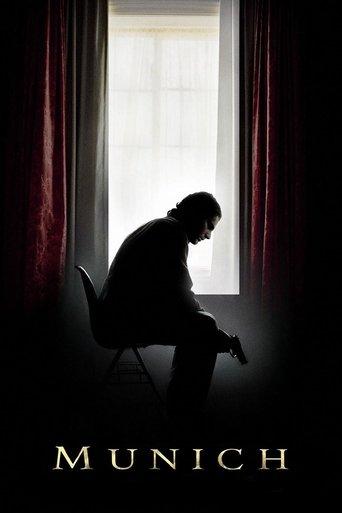
Munich

2005

20Score
Absolute Cinema

Story over sermons. Cinema first.

Share your verdict

Community verdict

Pick the band you think fits. One vote per browser on this title. You cannot change it after you vote.

Loading community votes…

Woke Breakdown

Message-first dialogue
4
Tokenistic characters
3
Ideology over story
5
Legacy rewriting
2
Modern politics injection
3
Protected protagonist pattern
4
Anti-traditional framing
6
Cultural normalization framing
5

Quick reasons

  • Dialogue serves the narrative but occasionally leans into moral complexity.
  • Characters are primarily developed through their roles in the historical context rather than as symbols.
  • The story prioritizes the emotional and psychological impact of revenge over ideological messaging.
  • While there are elements of moral ambiguity, they do not dominate the narrative.
  • The film does not overtly rewrite history but presents a dramatized account of real events.

AI cultural analysis

Here's the read.

Munich presents a gripping historical narrative that focuses on the personal and political ramifications of violence. The dialogue feels grounded in the characters' experiences, avoiding overt messaging while exploring the moral complexities of revenge. The characters, while shaped by their roles in a significant historical event, do not come off as mere symbols; they are portrayed with depth and nuance. The film does not break established lore or internal logic, maintaining a consistent narrative flow that keeps viewers engaged. Although it touches on anti-traditional themes, such as the cycle of violence, it does so in a way that invites reflection rather than outright condemnation. The film's strength lies in its ability to balance storytelling with the weight of history, making it a compelling watch without succumbing to heavy-handed ideological framing.

Related titles

More like this.

People also checked

What others ran after this one.

Explore

Trending now