Pick the band you think fits. One vote per browser on this title. You cannot change it after you vote.
Loading community votes…
Woke Breakdown
Message-first dialogue
10
Tokenistic characters
8
Ideology over story
12
Legacy rewriting
5
Modern politics injection
6
Protected protagonist pattern
4
Anti-traditional framing
7
Cultural normalization framing
6
Quick reasons
Dialogue often feels like it's pushing a moral agenda rather than serving the narrative.
Some characters are more symbolic than fully realized, serving specific ideological roles.
The story prioritizes social commentary about prejudice and acceptance over traditional storytelling elements.
While it has a unique premise, the film alters historical perceptions in ways that align with contemporary values.
The protagonist's journey is compelling, but he sometimes feels shielded from real consequences.
AI cultural analysis
Here's the read.
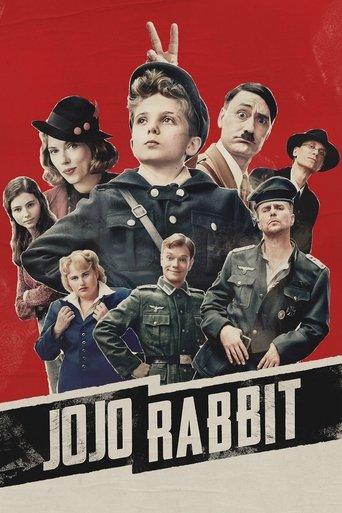
Jojo Rabbit presents a unique blend of comedy and drama, yet it struggles with message-first dialogue that often overshadows the narrative. The film's characters, while engaging, sometimes feel like they exist primarily to serve ideological points rather than being fully fleshed out individuals. This tokenism detracts from the overall depth of the story, as some roles seem designed to fulfill a social agenda rather than contribute organically to the plot. The film's exploration of anti-traditional themes, particularly around prejudice and acceptance, can feel heavy-handed at times, leading to a prioritization of ideology over story. Although the protagonist does face challenges, there are moments where he appears somewhat insulated from the consequences of his actions, which can undermine the tension of his journey. Overall, while Jojo Rabbit is ambitious in its approach, it often leans too heavily into its messaging, detracting from its potential as a straightforward narrative.