Pick the band you think fits. One vote per browser on this title. You cannot change it after you vote.
Loading community votes…
Woke Breakdown
Message-first dialogue
8
Tokenistic characters
6
Ideology over story
7
Legacy rewriting
5
Modern politics injection
3
Protected protagonist pattern
4
Anti-traditional framing
3
Cultural normalization framing
6
Quick reasons
Dialogue occasionally leans into moralizing, especially in character interactions.
Characters serve symbolic roles, particularly in representing marginalized groups.
The narrative prioritizes uplifting themes over a more nuanced historical portrayal.
Some alterations to Barnum's legacy feel driven by modern sensibilities rather than authenticity.
The film promotes a vision of acceptance and celebration of differences, which can overshadow individual character arcs.
AI cultural analysis
Here's the read.
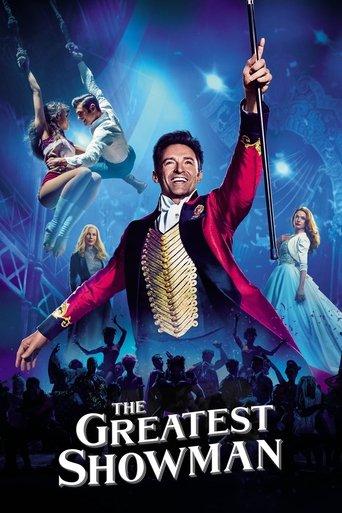
The Greatest Showman presents a vibrant spectacle that draws viewers in with its catchy musical numbers and dazzling visuals. However, beneath the surface, the film's dialogue sometimes veers into moralistic territory, prioritizing uplifting messages over organic character interactions. While the characters are engaging, some feel more like symbols of diversity than fully fleshed-out individuals, which detracts from the depth of the narrative. The portrayal of P.T. Barnum himself is a significant departure from historical accuracy, as the film glosses over the more problematic aspects of his life in favor of a feel-good story. This legacy rewriting serves to fit a modern narrative that emphasizes acceptance and inclusion, yet it risks oversimplifying complex realities. Overall, while the film is entertaining, its ideological framing and focus on social themes occasionally overshadow the storytelling, leading to a mixed experience.