Pick the band you think fits. One vote per browser on this title. You cannot change it after you vote.
Loading community votes…
Woke Breakdown
Message-first dialogue
10
Tokenistic characters
8
Ideology over story
12
Legacy rewriting
0
Modern politics injection
6
Protected protagonist pattern
5
Anti-traditional framing
3
Cultural normalization framing
7
Quick reasons
The dialogue often leans into moral lessons, making the messaging feel prominent.
Some characters seem designed more for representation than for depth, impacting their narrative roles.
The story prioritizes social commentary on prejudice and stereotypes, occasionally overshadowing the plot.
While the film does not rewrite a legacy, it does present a modern take on societal issues.
The film injects contemporary themes into its narrative, which can feel forced at times.
AI cultural analysis
Here's the read.
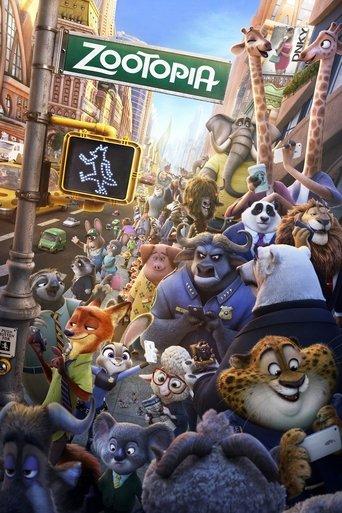
Zootopia presents a colorful world filled with anthropomorphic animals, but its narrative often sidelines entertainment for messaging. The dialogue frequently serves as a vehicle for moral lessons, which can detract from the natural flow of the story. Characters like Judy Hopps and Nick Wilde embody a mix of relatable traits and agenda-driven arcs, leading to a sense of tokenism in their development. While the film addresses important themes of prejudice and acceptance, these social commentaries sometimes overshadow the plot, making the story feel more like a lecture than an adventure. The film's attempt to normalize contemporary social issues within a whimsical setting can feel heavy-handed, though it avoids outright moral inversion or anti-traditional framing. Overall, Zootopia balances its family-friendly appeal with a desire to impart lessons, resulting in a mixed experience that leans towards ideological framing.