Pick the band you think fits. One vote per browser on this title. You cannot change it after you vote.
Loading community votes…
Woke Breakdown
Message-first dialogue
15
Tokenistic characters
16
Ideology over story
18
Legacy rewriting
0
Modern politics injection
10
Protected protagonist pattern
14
Anti-traditional framing
5
Cultural normalization framing
12
Quick reasons
The dialogue often feels like a vehicle for social messaging rather than organic character interaction.
Characters are primarily defined by their symbolic struggles, lacking depth beyond their roles as victims.
Storytelling is heavily focused on delivering ideological messages about societal issues, overshadowing narrative flow.
While the film does not rewrite existing properties, it uses its format to push a modern agenda.
The film's structure promotes a specific social viewpoint, framing certain lifestyles as aspirational.
AI cultural analysis
Here's the read.
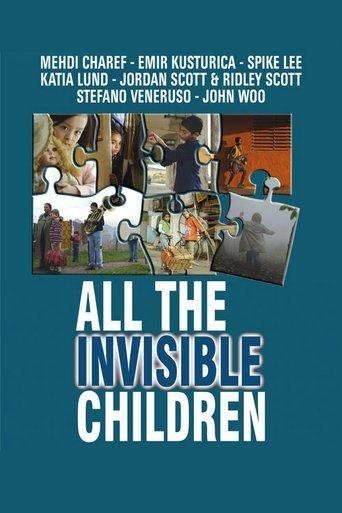
All the Invisible Children presents a collection of narratives that prioritize social issues over character development and storytelling. The dialogue is laden with moral lessons, often feeling more like lectures than genuine interactions. Each child protagonist is crafted primarily to symbolize broader societal problems, resulting in characters that lack the depth and complexity needed for true engagement. This tokenistic approach detracts from the emotional weight of their stories, as they are seen more as vehicles for social commentary than as fully realized individuals. The film's focus on contemporary issues injects a sense of modern political discourse that can feel jarring in the context of its dramatic intent. While the individual stories are poignant, the overarching ideological framing ultimately overshadows the potential for a more nuanced exploration of childhood adversity.