Bloodborne vs Dragon Age: The Veilguard: Which Is More Woke?
Dragon Age: The Veilguard appears more woke than Bloodborne based on AI analysis, with a difference of about 16 points. Community votes are split or too thin to call a clear winner yet.
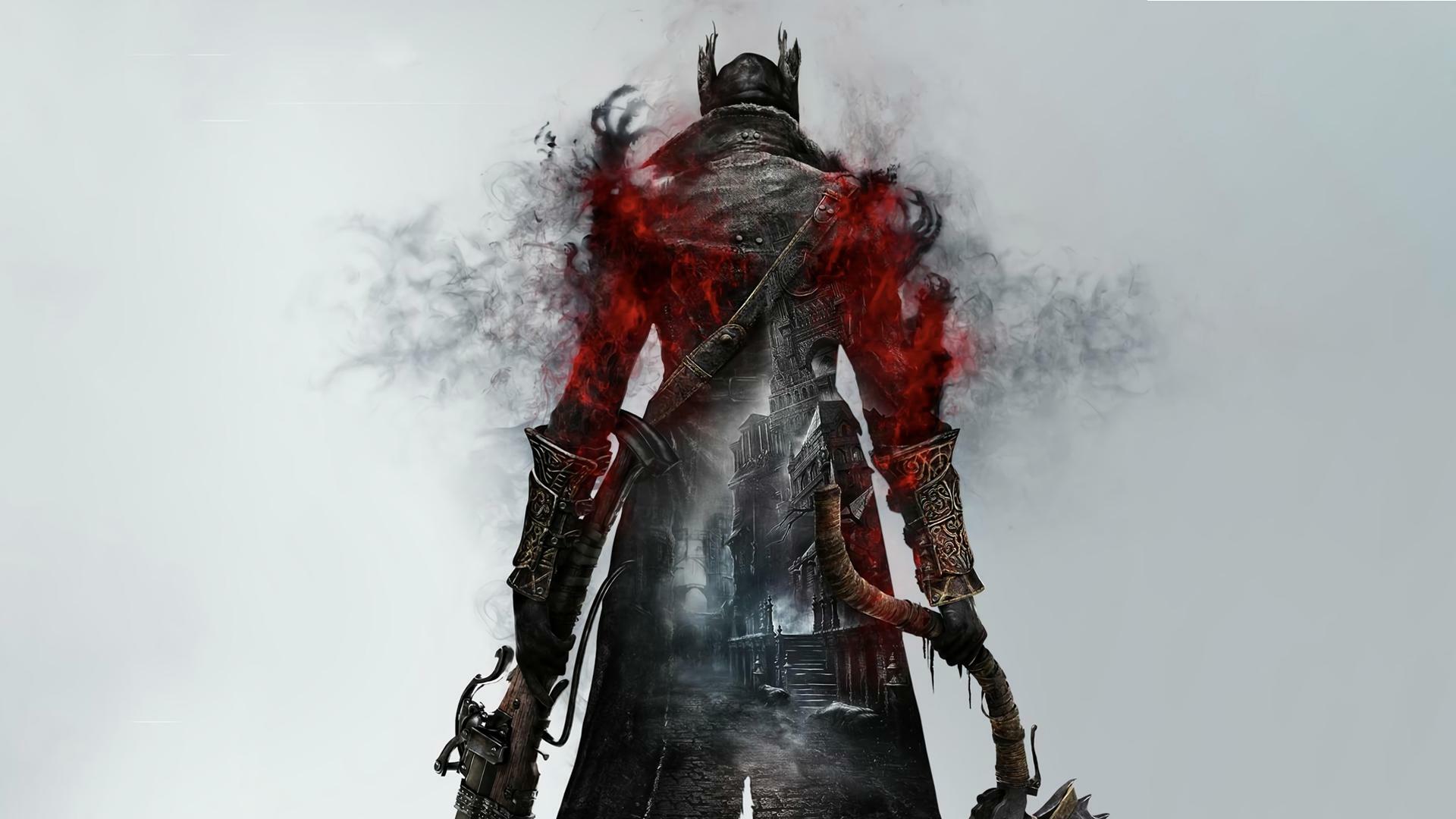
Community (votes): not enough data yet
See full breakdown for Bloodborne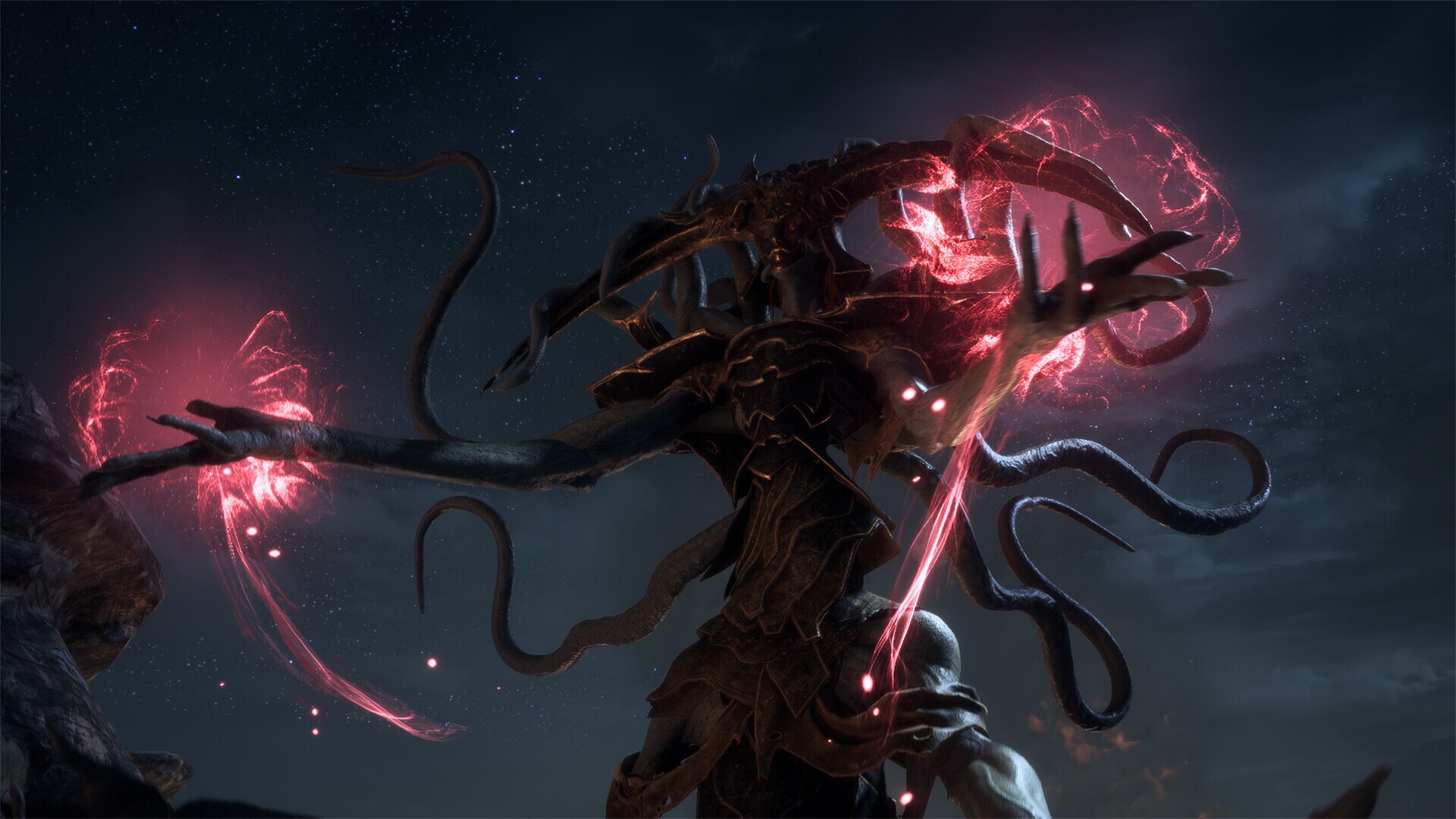
Community (votes): ~90/100
See full breakdown for Dragon Age: The VeilguardAI vs community
AI verdict
Dragon Age: The Veilguard is more woke than Bloodborne (AI).
Dragon Age: The Veilguard leads by 16 points on the AI scale.
Community verdict
Community averages are too close to call (or one side has no votes yet).
Why the scores diverge
- The 16-point gap reflects how much ideology steers each story on our six-dimension pass, not just vibes.
- Dragon Age: The Veilguard highlight: Dialogue serves the fantasy RPG experience, with minimal overt messaging.
- Bloodborne highlight: Dialogue serves the atmospheric and narrative needs rather than overt messaging.
- Bloodborne: Characters are deeply integrated into the lore and world-building, not merely for representation.
- Dragon Age: The Veilguard: Characters have distinct backstories but risk feeling like archetypes for representation.
Dragon Age: The Veilguard reads higher on tokenistic characters than Bloodborne, which nudges the overall profile message-forward. Dragon Age: The Veilguard reads higher on cultural normalization framing than Bloodborne, which nudges the overall profile message-forward. Dragon Age: The Veilguard reads higher on message-first dialogue than Bloodborne, which nudges the overall profile message-forward.
Browse more
More comparisons
Trending now
- One Battle After AnotherTrending· movie
Frequently asked questions
- Which is more woke, Bloodborne or Dragon Age: The Veilguard?
- Dragon Age: The Veilguard scores higher on the AI pass (20/100 vs 4/100).
- What do community votes say?
- Community averages are within the tie band or too close to call (n/a vs 90 on our vote-weighted scale).
- Why might AI and votes disagree?
- AI scores come from a structured model pass; votes capture how people read the politics or messaging. Trailers, culture-war framing, and release timing can push votes away from the model.