The Company of Wolves vs Resident Evil: Which Is More Woke?
The Company of Wolves vs Resident Evil: Quick Comparison
The Company of Wolves and Resident Evil are both films. The Company of Wolves landed in 1984; Resident Evil in 2026. People look up The Company of Wolves vs Resident Evil, or The Company of Wolves or Resident Evil, when they want a straight compare of the two.
Below is a side-by-side of the facts we have, then how their political messaging, cultural themes, and IsItWoke scores differ. This is not a review of which is better to watch.
| Field | The Company of Wolves | Resident Evil |
|---|---|---|
| Release year | 1984 | 2026 |
| Type | Movie | Movie |
| Genres | Horror, Fantasy | Horror, Science Fiction |
| Woke Score | 21/100 | 27/100 |
| Community Score | Not listed | 48/100 |
| Verdict | Very Little Woke | Very Little Woke |
Resident Evil appears more woke than The Company of Wolves based on AI analysis, with a difference of about 6 points. Community votes are split or too thin to call a clear winner yet.
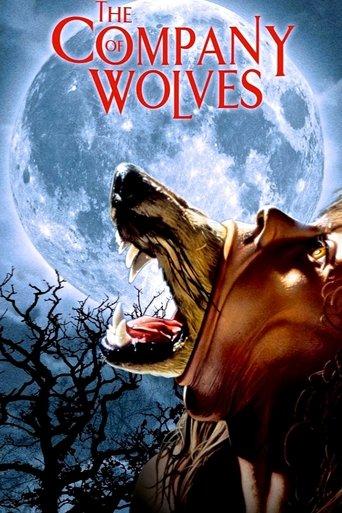
Community (votes): not enough data yet
See full breakdown for The Company of Wolves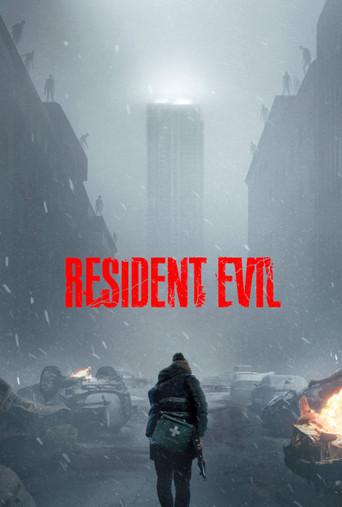
Community (votes): ~48/100
See full breakdown for Resident EvilAI vs community
AI verdict
Resident Evil is more woke than The Company of Wolves (AI).
Resident Evil leads by 6 points on the AI scale.
Community verdict
Community averages are too close to call (or one side has no votes yet).
Why the scores diverge
- The 6-point gap reflects how much ideology steers each story on our six-dimension pass, not just vibes.
- Resident Evil highlight: The dialogue primarily serves the horror and survival narrative with minimal overt ideological messaging.
- The Company of Wolves highlight: The dialogue occasionally leans into symbolic and moralistic tones, reflecting the fairy tale origins, but it largely serves the atmospheric and narrative goals rather than overt ideological messaging.
- The Company of Wolves: Characters feel rooted in archetypal fairy tale roles rather than tokenistic representation; their motivations and transformations align with the story's dark fantasy themes.
- Resident Evil: Characters appear to be motivated by survival and plot needs rather than symbolic representation or tokenism.
The Company of Wolves reads higher on anti-traditional framing than Resident Evil, which nudges the overall profile message-forward. The Company of Wolves reads higher on cultural normalization framing than Resident Evil, which nudges the overall profile message-forward.
Browse more
Related comparisons
Other matchups that share The Company of Wolves or Resident Evil.
Trending now
- The OdysseyTrending· movie
- The Last of Us Part IITrending· game
- Avatar: Seven HavensTrending· tv
- Baldur's Gate IIITrending· game
- LanternsTrending· tv
- CarrieTrending· tv
- Cyberpunk 2077Trending· game
- BarbieTrending· movie
Frequently asked questions
- Which is more woke, The Company of Wolves or Resident Evil?
- Resident Evil scores higher on the AI pass (27/100 vs 21/100).
- What do community votes say?
- Community averages are within the tie band or too close to call (n/a vs 48 on our vote-weighted scale).
- Why might AI and votes disagree?
- AI scores come from a structured model pass; votes capture how people read the politics or messaging. Trailers, culture-war framing, and release timing can push votes away from the model.