Book

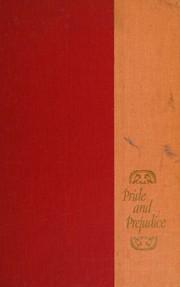
Pride and Prejudice

1853

5Score
Essential Reading
Share your verdict

Community verdict

Pick the band you think fits. One vote per browser on this title. You cannot change it after you vote.

Loading community votes…

Woke Breakdown

Message-first dialogue
2
Tokenistic characters
1
Ideology over story
2
Legacy rewriting
0
Modern politics injection
0
Protected protagonist pattern
2
Anti-traditional framing
1
Cultural normalization framing
0

Quick reasons

  • The dialogue is witty and serves the story, avoiding overt moral lecturing.
  • Characters are well-developed and not merely symbols for representation.
  • The narrative prioritizes character growth and social commentary without sacrificing plot.
  • There are no significant alterations to existing narratives or ideologies.
  • The story does not inject modern political themes into its historical context.

AI cultural analysis

Here's the read.

Pride and Prejudice stands as a classic of literature, showcasing Jane Austen's sharp wit and keen social observations. The dialogue flows naturally, filled with irony and character-driven exchanges that enhance the narrative rather than distract from it. Characters like Elizabeth Bennet are complex and relatable, avoiding the pitfalls of tokenism or being mere vehicles for ideological points. The story's focus on personal growth and the critique of societal norms is skillfully woven into the fabric of the plot, making for an engaging read that resonates through the ages. While it addresses issues of class and gender, it does so in a way that feels organic to the characters' experiences rather than as a modern agenda. Overall, the novel's timeless themes and character depth ensure that it remains a beloved work without succumbing to contemporary ideological pressures.
Related titles

More like this.

People also checked

What others ran after this one.

Explore

Trending now