Book

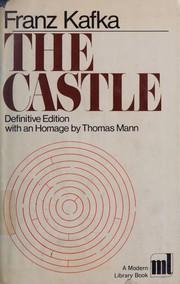
Das Schloß

16Score
Essential Reading
Share your verdict

Community verdict

Pick the band you think fits. One vote per browser on this title. You cannot change it after you vote.

Loading community votes…

Woke Breakdown

Message-first dialogue
5
Tokenistic characters
3
Ideology over story
6
Legacy rewriting
0
Modern politics injection
2
Protected protagonist pattern
4
Anti-traditional framing
3
Cultural normalization framing
2

Quick reasons

  • The dialogue often serves to explore existential themes rather than push a specific agenda.
  • Characters are complex and reflect the absurdity of their situation without being mere symbols.
  • The story prioritizes the exploration of bureaucracy and the human condition over ideological messaging.
  • While some themes may resonate with modern readers, they do not overtly inject contemporary politics into the narrative.
  • The protagonist faces genuine struggles and setbacks, grounding his journey in relatable human experience.

AI cultural analysis

Here's the read.

Kafka's 'Das Schloß' is a masterclass in existential literature, where the narrative thrives on the absurdity of K.'s plight rather than any ideological agenda. The dialogue is rich with philosophical inquiry, steering clear of overt messaging, allowing readers to engage with the text on a deeper level. Characters are not mere tokens; they embody the complexities of human experience, providing depth rather than serving as symbols for social commentary. The story's focus on bureaucracy and the labyrinthine nature of existence is compelling, drawing readers into a world that feels both familiar and alien. While some themes may echo contemporary issues, they are woven into the fabric of the narrative without overshadowing the story itself. Overall, Kafka's work remains a profound exploration of the human condition, free from the constraints of modern ideological framing.

Related titles

More like this.

People also checked

What others ran after this one.

Explore

Trending now