Book

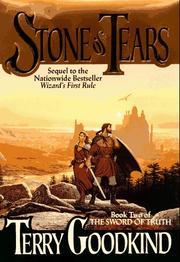
Stone of Tears

17Score
Essential Reading
Share your verdict

Community verdict

Pick the band you think fits. One vote per browser on this title. You cannot change it after you vote.

Loading community votes…

Woke Breakdown

Message-first dialogue
5
Tokenistic characters
4
Ideology over story
6
Legacy rewriting
0
Modern politics injection
3
Protected protagonist pattern
4
Anti-traditional framing
2
Cultural normalization framing
3

Quick reasons

  • Dialogue serves the fantasy narrative rather than overt messaging.
  • Characters have depth and are not merely symbols for representation.
  • Storytelling is prioritized over ideological framing, with a focus on character journeys.
  • No significant alterations to legacy elements are present.
  • The plot maintains internal consistency and logic.

AI cultural analysis

Here's the read.

In *Stone of Tears*, the dialogue remains grounded in the fantasy narrative, avoiding overt messaging that detracts from the story. Characters like Richard Rahl and Kahlan Amnell are well-developed and serve their roles within the epic tale, rather than functioning as mere symbols for demographic representation. The storytelling emphasizes character journeys and conflicts, steering clear of heavy ideological framing that could disrupt immersion. While some modern themes may be present, they do not dominate the narrative or feel forced. The plot adheres to its established lore and internal logic, allowing readers to engage with the world without distraction from contemporary political discourse. Overall, the book successfully balances fantasy elements with character-driven storytelling, making it a compelling read without succumbing to the pitfalls of message-first writing.
Related titles

More like this.

People also checked

What others ran after this one.

Explore

Trending now