Book

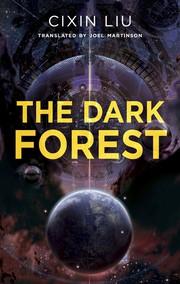
The Dark Forest (The Three-Body Problem Series Book 2)

13Score
Essential Reading
Share your verdict

Community verdict

Pick the band you think fits. One vote per browser on this title. You cannot change it after you vote.

Loading community votes…

Woke Breakdown

Message-first dialogue
3
Tokenistic characters
4
Ideology over story
5
Legacy rewriting
0
Modern politics injection
2
Protected protagonist pattern
3
Anti-traditional framing
1
Cultural normalization framing
2

Quick reasons

  • Dialogue serves the plot rather than pushing an agenda.
  • Characters are primarily defined by their roles in the story, not as symbols.
  • The narrative prioritizes complex ideas and conflict over ideology.
  • No significant alterations to existing lore or characters for ideological purposes.
  • Minimal contemporary political themes, allowing for immersive storytelling.

AI cultural analysis

Here's the read.

The Dark Forest excels in its story-driven approach, with dialogue that feels natural and serves to advance the plot rather than deliver overt messages. Characters are well-developed and integral to the narrative, avoiding the pitfalls of tokenism. The story prioritizes its imaginative concepts and the intricacies of human-alien interaction over any ideological framing, creating a rich tapestry of conflict and strategy. While there are elements of modernity in the themes, they do not overshadow the core narrative, allowing readers to immerse themselves in the speculative elements of the plot. The protagonist, Luo Ji, while unique, faces real challenges and is not shielded from consequences, grounding his competence in the story's context. Overall, this installment of the series maintains a focus on storytelling and imaginative exploration, steering clear of heavy-handed messaging or ideological distractions.
Related titles

More like this.

People also checked

What others ran after this one.

Explore

Trending now