TV Show

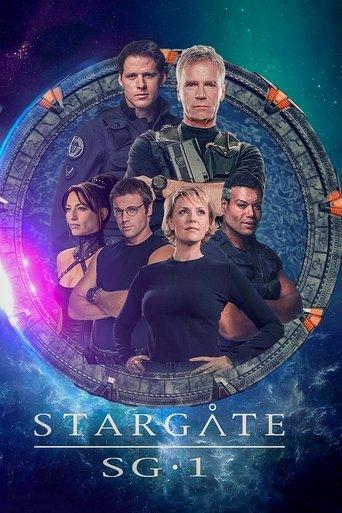
Stargate SG-1

1997

13Score
Peak Television
Share your verdict

Community verdict

Pick the band you think fits. One vote per browser on this title. You cannot change it after you vote.

Loading community votes…

Woke Breakdown

Message-first dialogue
4
Tokenistic characters
3
Ideology over story
5
Legacy rewriting
0
Modern politics injection
2
Protected protagonist pattern
3
Anti-traditional framing
1
Cultural normalization framing
2

Quick reasons

  • The dialogue serves the story and character development rather than pushing a specific agenda.
  • Characters are well-rounded and fit organically into the narrative, avoiding tokenism.
  • The storytelling prioritizes adventure and exploration over ideological messaging.
  • There is no significant alteration of existing lore or legacy elements for modern ideological purposes.
  • The show does not heavily inject contemporary political themes into its sci-fi setting.

AI cultural analysis

Here's the read.

Stargate SG-1 is a classic example of story-driven sci-fi that prioritizes adventure and character development over overt messaging. The dialogue feels natural, with characters engaging in interactions that serve the plot rather than delivering moral lectures. While the show features a diverse cast, it avoids the pitfalls of tokenism, allowing characters to shine through their unique contributions to the team. The narrative is primarily focused on exploring alien worlds and facing threats, steering clear of modern ideological framing that could detract from the escapism of the genre. There is a strong sense of continuity with the established lore from the original film, maintaining a coherent universe without significant ideological rewrites. Overall, Stargate SG-1 stands out for its commitment to storytelling and character depth, making it a beloved entry in the sci-fi canon.

Related titles

More like this.

People also checked

What others ran after this one.

Explore