Pick the band you think fits. One vote per browser on this title. You cannot change it after you vote.
Loading community votes…
Woke Breakdown
Message-first dialogue
12
Tokenistic characters
8
Ideology over story
10
Legacy rewriting
0
Modern politics injection
5
Protected protagonist pattern
6
Anti-traditional framing
3
Cultural normalization framing
15
Quick reasons
Dialogue often serves to impart lessons rather than advance the story organically.
Characters are designed to represent various social and emotional themes, sometimes at the cost of depth.
The show leans into educational messaging, which can overshadow narrative flow.
While it doesn't rewrite legacy characters, it does emphasize modern values in its storytelling.
The series promotes certain social models as aspirational, particularly around emotional intelligence.
AI cultural analysis
Here's the read.
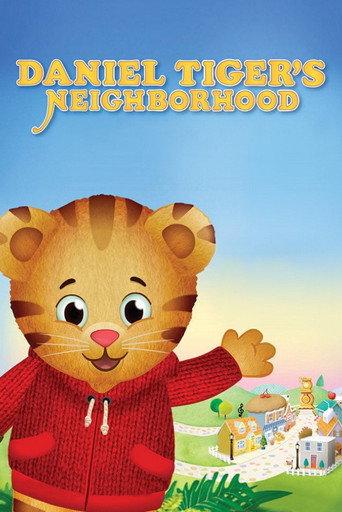
Daniel Tiger's Neighborhood is a children's series that prioritizes educational content, which can lead to dialogue feeling more like moral instruction than natural conversation. While the characters are charming and relatable, some viewers may perceive them as primarily vehicles for social lessons rather than fully fleshed-out individuals. The narrative often emphasizes emotional and social learning, which can detract from traditional storytelling elements like conflict and character development. Although the show does not overtly inject contemporary political themes, its focus on teaching modern values around emotional intelligence and social skills can feel somewhat prescriptive. The framing of these lessons as aspirational may resonate with its young audience but could also raise concerns about the normalization of specific social models. Overall, while the series is well-intentioned and entertaining for children, its educational agenda occasionally overshadows the storytelling.