TV Show

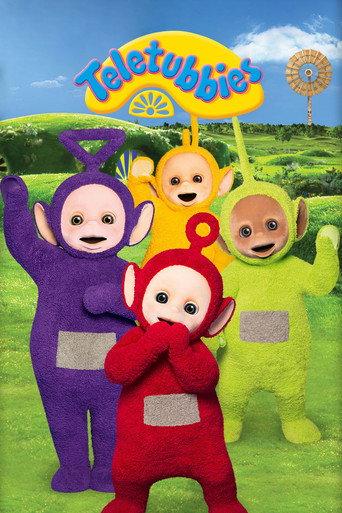
Teletubbies

1997

5Score
Peak Television
Share your verdict

Community verdict

Pick the band you think fits. One vote per browser on this title. You cannot change it after you vote.

Loading community votes…

Woke Breakdown

Message-first dialogue
2
Tokenistic characters
1
Ideology over story
2
Legacy rewriting
0
Modern politics injection
0
Protected protagonist pattern
1
Anti-traditional framing
0
Cultural normalization framing
1

Quick reasons

  • The dialogue is simple and serves the playful nature of the show rather than any ideological agenda.
  • Characters are designed for young children and are not shaped by symbolic representation.
  • Storytelling is focused on fun and education, with minimal ideological framing.
  • There is no significant alteration of existing franchises, as this is an original concept.
  • The show avoids contemporary political themes, focusing instead on child-friendly content.

AI cultural analysis

Here's the read.

Teletubbies stands out as a whimsical children's show that prioritizes entertainment and education over any overt messaging. The dialogue is light-hearted and serves the narrative's playful tone, making it accessible for preschoolers without veering into moral lecturing. Characters like Tinky Winky and Laa-Laa are not burdened with complex backstories or agendas; they exist purely to engage and delight young audiences. The show does not attempt to rewrite any existing narratives or introduce modern political themes, allowing it to maintain a timeless quality. Its simplicity is a strength, as it avoids the pitfalls of tokenism or ideological framing, instead focusing on imaginative play in the enchanting Teletubbyland. Overall, Teletubbies is a charming example of children's programming that embraces fun and creativity without the weight of contemporary cultural discourse.
Related titles

More like this.

People also checked

What others ran after this one.

Explore