Pick the band you think fits. One vote per browser on this title. You cannot change it after you vote.
Loading community votes…
Woke Breakdown
Message-first dialogue
15
Tokenistic characters
14
Ideology over story
17
Legacy rewriting
12
Modern politics injection
16
Protected protagonist pattern
18
Anti-traditional framing
15
Cultural normalization framing
14
Quick reasons
Dialogue often feels like a platform for ideological messaging rather than organic character interaction.
Characters appear to be crafted more for their symbolic representation than for depth or narrative necessity.
The storytelling prioritizes activism and social commentary over character development and plot progression.
The adaptation of Gilead's themes seems to shift towards modern ideological priorities, impacting the original narrative's integrity.
Contemporary political themes are noticeably woven into the fabric of the story, breaking immersion.
Protagonists are shielded from meaningful consequences, reinforcing a narrative of superiority rather than vulnerability.
AI cultural analysis
Here's the read.
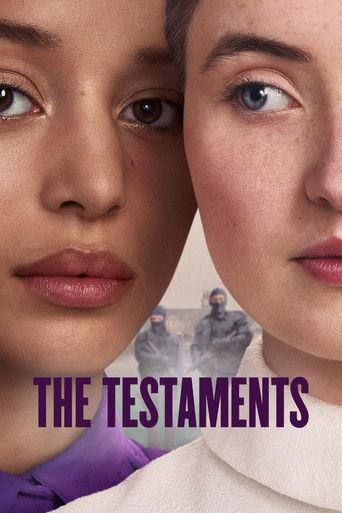
The Testaments leans heavily into message-first storytelling, where dialogue serves more as a vehicle for ideological points than as a means of character development. The characters, while central to the narrative, often feel like they were designed to fulfill symbolic roles rather than to be fully fleshed-out individuals. This tokenism detracts from the overall depth of the story, making it difficult for viewers to engage with them on a personal level. The plot prioritizes activism and social commentary, which overshadows the pacing and conflict that could otherwise drive the narrative forward. Moreover, the adaptation appears to reinterpret the original themes of Gilead through a modern ideological lens, which may alienate fans of the source material. The injection of contemporary political discourse disrupts the escapism that viewers often seek in drama, making the experience feel more like a lecture than a story. While the characters are not invincible in a traditional sense, they are often shielded from the consequences of their actions, reinforcing a narrative that prioritizes their ideological superiority over genuine character growth.