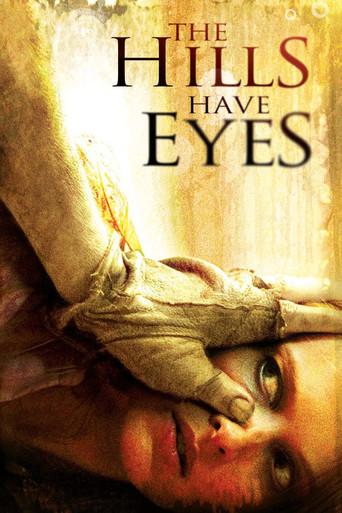
The Hills Have Eyes
2006
The sourced concerns are substantially offset by delivered value.
What counts as a cash grab?
Commercial extraction prioritized over meaningful consumer or creative value. Profit, popularity, adaptations, sequels, remakes, high budgets, and normal marketing do not count by themselves.
Why?
Available primary reporting and contemporary reviews do not show clear evidence that The Hills Have Eyes (2006) was produced chiefly as a predatory cash grab. Director Alexandre Aja and producers including Wes Craven are documented as seeking an original approach, the film received substantial investment and practical production work, and critics noted its craft and visceral style. There is evidence of commercial exploitation through a quick sequel and home video marketing with unrated/special editions, but no credible sources show deceptive pricing or rushed, low-effort reuse.
- Director Alexandre Aja was invited by Wes Craven, given creative freedom, and expanded the story with new backstory and production design.
- The production had a $15 million budget and higher production values than the 1977 original, and it filmed on location in Morocco.
- Contemporary reviews and aggregators recognized craftsmanship, gore effects, and a lively visual approach rather than mere recycling.
View full breakdownHide full breakdown
- Commercial follow-ups include a 2007 sequel and tie-in graphic novel from Fox Atomic, plus multiple home-video editions marketed as unrated or special.
- No credible reporting was found that labels the film a predatory monetization scheme, or documents deceptive release practices.
Score factors
| Direction | Factor | Evidence | Impact |
|---|---|---|---|
| For | Rapid sequel and branded tie-ins | The remake was followed quickly by The Hills Have Eyes 2 (2007) and a Fox Atomic-published graphic novel tie-in, indicating active monetization of the property across media.[4] | +15 |
| Against | Substantive new content and production | Reporting documents that Aja and co-writer Gregory Levasseur expanded the film's backstory (nuclear-testing origin), shot on location in Morocco, and used a significantly larger budget than the 1977 original.[1][2] | -14 |
| Against | Budget and commercial success | Industry box-office records list a production budget of about $15,000,000 and worldwide gross near $70,009,308, showing clear commercial success but not by itself proving exploitation.[5] | -12 |
| Against | Critical recognition of craft | Major critics and aggregators reported mixed to positive reviews that specifically praised the film's visceral style, gore effects, and visual energy rather than describing it as low-effort reuse.[7][6] | -9 |
| Against | Director given creative freedom | Contemporary interviews state Wes Craven invited Alexandre Aja to rework the material, protected Aja's vision, and allowed a different approach rather than a straight studio-imposed retread.[1][2][3] | -8 |
| For | Cuts made to avoid NC-17 | Press coverage and director interviews state the film was trimmed by less than two minutes to avoid an NC-17 rating, an explicit commercial consideration tied to distribution and advertising.[1][3] | +8 |
Confidence: High · I used contemporaneous primary interviews, industry box-office records, aggregator databases, and reporting; those sources strongly document production intent, financials, critical response, and subsequent merchandising though I found no investigative reporting that labels the film a predatory cash- · Researched 2026-07-24
Sources reviewed
- [1]www.washingtonpost.com
- [2]www.darkhorizons.com
- [3]www.eatmybrains.com
- [4]en.wikipedia.org
- [5]www.boxofficemojo.com
- [6]www.rottentomatoes.com
- [7]www.metacritic.com
- [8]www.wescraven.com
- [9]en.wikipedia.org
- [10]www.horror.com
View 101 more sourcesShow fewer sources
- [11]www.boxofficemojo.com
- [12]www.imdb.com
- [13]en.wikipedia.org
- [14]www.kpbs.org
- [15]en.wikipedia.org
- [16]www.horror.com
- [17]www.imdb.com
- [18]editorial.rottentomatoes.com
- [19]en.wikipedia.org
- [20]arxiv.org
- [21]uhra.herts.ac.uk
- [22]de.wikipedia.org
- [23]s1.thcdn.com
- [24]dora.dmu.ac.uk
- [25]d-scholarship.pitt.edu
- [26]livrepository.liverpool.ac.uk
- [27]www.imdb.com
- [28]www.rottentomatoes.com
- [29]www.imdb.com
- [30]catalog.afi.com
- [31]en.wikipedia.org
- [32]en.wikipedia.org
- [33]editorial.rottentomatoes.com
- [34]www.tribute.ca
- [35]horrorthriller.com
- [36]www.comingsoon.net
- [37]insidepulse.com
- [38]classic-horror.com
- [39]moviebobcentral.com
- [40]etd.ohiolink.edu
- [41]s3.amazonaws.com
- [42]pt.wikipedia.org
- [43]www.bahistory.org
- [44]www.reddit.com
- [45]www.festival-lumiere.org
- [46]www.reddit.com
- [47]archives.kdl.org
- [48]syracusefilmfest.com
- [49]www.imdb.com
- [50]www.netflix.com
- [51]cdn.nflxext.com
- [52]www.motionpictures.org
- [53]www.motionpictures.org
- [54]www.imdb.com
- [55]dokumen.pub
- [56]ftp.cinemovie.tv
- [57]www.raphaelfillies.de
- [58]www.snapchat.com
- [59]ideas.fandom.com
- [60]aawyx.com
- [61]www.rottentomatoes.com
- [62]www.metacritic.com
- [63]everything.explained.today
- [64]www.imdb.com
- [65]www.metacritic.com
- [66]www.rottentomatoes.com
- [67]www.kunr.org
- [68]www.metacritic.com
- [69]www.publicradiotulsa.org
- [70]www.tpr.org
- [71]www.wunc.org
- [72]philpapers.org
- [73]archives.sandiegoreader.com
- [74]www.cambridge.org
- [75]repositori.uji.es
- [76]linkoom.com
- [77]www.worldradiohistory.com
- [78]www.yahoo.com
- [79]www.mayyam.com
- [80]dokumen.pub
- [81]theweek.com
- [82]eaglefilmsme.com
- [83]plechova-krytina-falcovana.com
- [84]gapersblock.com
- [85]luc.devroye.org
- [86]www.flashfictionnorth.com
- [87]eaglefilmsme.com
- [88]www.eaganatthemovies.com
- [89]thefranklinnewspost.com
- [90]www.rottentomatoes.com
- [91]catalog.afi.com
- [92]www.metacritic.com
- [93]www.rottentomatoes.com
- [94]www.imdb.com
- [95]www.imdb.com
- [96]lvcampustimes.org
- [97]bloximages.chicago2.vip.townnews.com
- [98]archives.kdl.org
- [99]escholarship.org
- [100]montebubbles.net
- [101]www.horror.com
- [102]movies.fandom.com
- [103]www.archive.thedigitalbits.com
- [104]forum.dvdtalk.com
- [105]dvdizzy.com
- [106]hkfilmnews.blogspot.com
- [107]www.retrojunk.com
- [108]www.onvideo.org
- [109]paperzz.com
- [110]www.ebay.com.au
- [111]dvdizzy.com
What does the community think?
The AI sees low cash-grab risk. What's your read?
Loading community verdict…