Movie

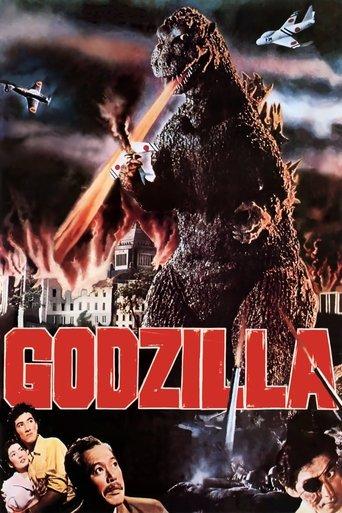
Godzilla

1954

7Score
Absolute Cinema

Story over sermons. Cinema first.

Share your verdict

Community verdict

Pick the band you think fits. One vote per browser on this title. You cannot change it after you vote.

Loading community votes…

Woke Breakdown

Message-first dialogue
2
Tokenistic characters
1
Ideology over story
3
Legacy rewriting
0
Modern politics injection
1
Protected protagonist pattern
2
Anti-traditional framing
0
Cultural normalization framing
0

Quick reasons

  • Dialogue serves the story rather than pushing an agenda.
  • Characters are well-developed and integral to the plot.
  • The narrative prioritizes suspense and horror over ideological messaging.
  • No significant alteration of existing lore or franchise.
  • The film's themes reflect the anxieties of its time without overt political framing.

AI cultural analysis

Here's the read.

The 1954 film Godzilla stands as a classic of the science fiction genre, prioritizing storytelling and atmosphere over overt messaging. Dialogue is crafted to enhance tension and character development, avoiding the pitfalls of message-first writing. Characters like Dr. Kyohei Yamane are not mere symbols but are integral to the unfolding drama, facing genuine threats and consequences. The film's focus on the monster's rampage serves as a metaphor for the anxieties of post-war Japan, yet it does so without heavy-handed political messaging or ideological framing. The narrative remains grounded in its horror roots, allowing the story to resonate with audiences through its thrilling and suspenseful execution. Overall, Godzilla exemplifies a balance of thematic depth and entertainment, making it a standout in its genre without succumbing to the pitfalls of modern ideological storytelling.

Related titles

More like this.

People also checked

What others ran after this one.

Explore