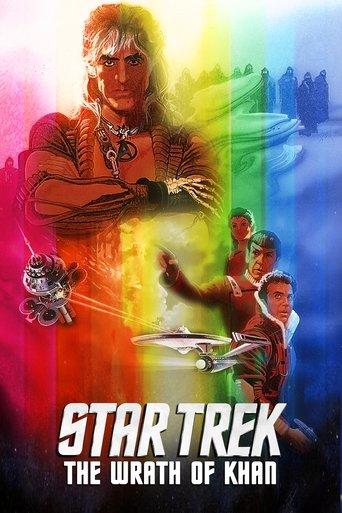
Star Trek II: The Wrath of Khan
1982
The sourced concerns are substantially offset by delivered value.
What counts as a cash grab?
Commercial extraction prioritized over meaningful consumer or creative value. Profit, popularity, adaptations, sequels, remakes, high budgets, and normal marketing do not count by themselves.
Why?
Star Trek II: The Wrath of Khan (1982) shows no credible evidence of predatory monetization or deceptive release practices. Contemporary reporting and later interviews document a compressed schedule, with Nicholas Meyer rapidly rewriting the script and preproduction compressed to meet effects deadlines, yet the film is repeatedly praised for substantial new dramatic content, careful direction, and improved production over its predecessor. Financially it succeeded through lower costs rather than exploitative pricing, and reviewers and production histories frame it as creative rescue of the franchise rather than a cash grab.
- No sources found alleging predatory monetization, deceptive release tactics, or pay-to-win style exploitation.
- Director Nicholas Meyer rewrote and restructured the film under tight deadlines, indicating active creative investment.
- The movie introduced substantive new content and a celebrated emotional arc, including Spock’s death, widely credited with raising quality.
View full breakdownHide full breakdown
- Production accounts show compressed scheduling and budget-conscious choices, but they also document careful craft and positive critical reception.
Score factors
| Direction | Factor | Evidence | Impact |
|---|---|---|---|
| For | No predatory monetization found | I found no reporting or official disclosures that the film used predatory monetization, overpriced tie-ins, deceptive releases, or similar exploitation tactics.[1][2] | +18 |
| Against | Director rewrote script quickly | Nicholas Meyer substantially rewrote the screenplay in a short period and took active creative control, which is documented in interviews and production histories.[3][1] | -18 |
| Against | Substantive new content and emotional stakes | The film introduced major new dramatic material, notably the return of Khan, stronger character development, and Spock’s death, changes credited with significantly improving the franchise storywise.[1][4] | -17 |
| Against | Profitability from lower budget | Contemporary box office and production reporting attribute the film's profitability to lower production costs rather than to exploitative pricing or consumer-unfriendly monetization.[1][2] | -9 |
| For | Compressed production schedule | Multiple sources report a compressed timetable, including rapid script work and a short preproduction window, but none allege the release was deceptive or aimed at exploiting consumers.[6][5] | +8 |
| Against | Positive critical and fan reception | Reviews and retrospective coverage consistently rank Wrath of Khan as a high-quality installment that restored the franchise's creative direction, which argues against a low-effort cash grab interpretation.[1][2] | -8 |
Confidence: High · Multiple reputable production histories, interviews with the director, and critical retrospectives document creative effort and no credible evidence of predatory monetization, though archival marketing minutiae beyond these sources could exist. · Researched 2026-09-23
Sources reviewed
- [1]en.wikipedia.org
- [2]www.denofgeek.com
- [3]www.startrek.com
- [4]www.syfy.com
- [5]www.startrek.com
- [6]nerdist.com
- [7]en.wikipedia.org
- [8]www.startrek.com
- [9]blog.trekcore.com
- [10]en.wikipedia.org
View 8 more sourcesShow fewer sources
- [11]www.nyfa.edu
- [12]en.wikipedia.org
- [13]en.wikipedia.org
- [14]comicbook.com
- [15]www.reddit.com
- [16]newikis.com
- [17]www.vanityfair.com
- [18]www.nicholas-meyer.com
What does the community think?
The AI sees low cash-grab risk. What's your read?
Loading community verdict…