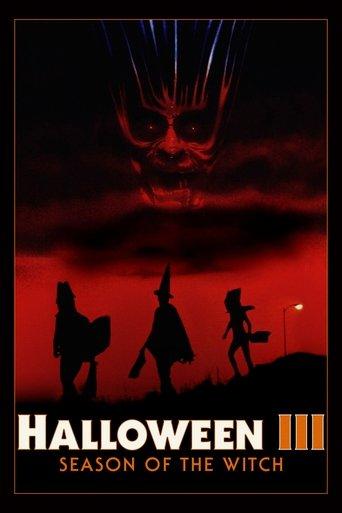
Halloween III: Season of the Witch
1982
The sourced concerns are substantially offset by delivered value.
What counts as a cash grab?
Commercial extraction prioritized over meaningful consumer or creative value. Profit, popularity, adaptations, sequels, remakes, high budgets, and normal marketing do not count by themselves.
Why?
Halloween III: Season of the Witch was conceived by John Carpenter and Debra Hill as the start of an anthology series rather than a Michael Myers sequel, production and marketing choices led to audience confusion and poor box office returns, and contemporary reviews criticized its story and tone. Available reporting documents the anthology intent, studio and advertising discomfort with removing The Shape, and commercial disappointment, but I found no primary-source evidence of predatory monetization, deceptive ticket/price practices, or deliberate low-cost reuse intended solely to extract revenue.
- Producers intended an anthology direction, not a Michael Myers sequel, supported by contemporary reporting and producer statements.
- Studio and advertising reportedly struggled with removing Michael Myers, contributing to marketing confusion and audience backlash.
- The film underperformed commercially and received negative reviews at release.
View full breakdownHide full breakdown
- No sourced evidence found of predatory monetization, explicit deceptive pricing, or intentional low-effort reuse to extract consumer dollars
Score factors
| Direction | Factor | Evidence | Impact |
|---|---|---|---|
| Against | Anthology intent | John Carpenter and Debra Hill intended to rebrand Halloween as an anthology series, using Halloween III as the anthology pilot.[1][2] | -16 |
| For | Negative contemporary reviews | Contemporary reviews criticized the film's dialogue, story, and lack of chills, contributing to its poor reception.[1][3] | +13 |
| For | Marketing confusion over Michael Myers | Contemporaneous reporting and later interviews describe studio and advertising discomfort with removing Michael Myers and audience expectation confusion around the film's connection to earlier entries.[4][6] | +11 |
| Against | Creative effort and production craft | The film was a directorial debut for Tommy Lee Wallace who had served as production designer on the original, indicating investment in original craft and production work.[1][5] | -11 |
| For | No evidence of predatory monetization or pricing | Searched production and press reporting but found no primary-source evidence that the film engaged in predatory monetization, deceptive ticketing, or exploitative product tie-ins.[1][2] | +10 |
| For | Box office underperformance | The film was a commercial disappointment relative to franchise expectations and led producers to abandon the anthology plan.[1][7] | +9 |
Confidence: High · Multiple contemporary sources and later interviews document the anthology intent, marketing issues, and commercial failure; however there is no strong primary evidence of deliberate predatory monetization so findings about extraction are limited. · Researched 2026-10-23
Sources reviewed
- [1]en.wikipedia.org
- [2]halloweenmovies.com
- [3]desertofset.com
- [4]catalog.afi.com
- [5]moriareviews.com
- [6]www.syfy.com
- [7]www.the-numbers.com
- [8]www.imdb.com
- [9]www.grandriverfilms.com
- [10]www.imdb.com
View 9 more sourcesShow fewer sources
What does the community think?
The AI sees low cash-grab risk. What's your read?
Loading community verdict…