AI cultural analysis
A short read on tone, themes, and messaging — not a plot synopsis.
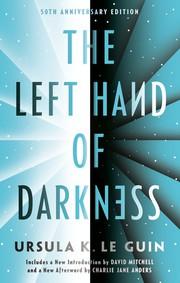
The Left Hand of Darkness is a landmark in science fiction, showcasing Le Guin's ability to blend narrative with thought-provoking themes. However, the dialogue occasionally strays into the territory of overt messaging, detracting from character development and plot progression.
Characters sometimes feel more like vehicles for ideological exploration rather than individuals with depth, which can lead to a sense of tokenism. The story's exploration of gender and identity is compelling, yet it sometimes prioritizes these themes over traditional storytelling elements, creating a tension between narrative and ideology.