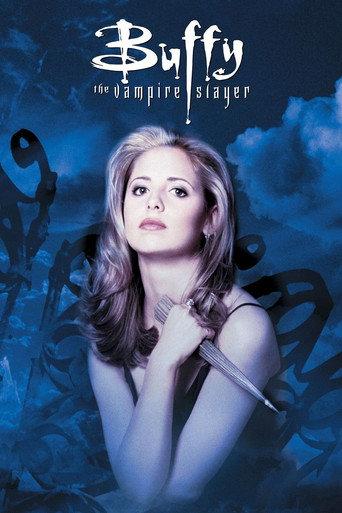
Buffy the Vampire Slayer
1997
Insufficient evidence
We did not find enough credible, independent evidence to publish a numeric cash-grab score. Unrated is more honest than a guess.
What counts as a cash grab?
Commercial extraction prioritized over meaningful consumer or creative value. Profit, popularity, adaptations, sequels, remakes, high budgets, and normal marketing do not count by themselves.
Why?
Buffy the Vampire Slayer premiered March 10, 1997 and was developed for television by Joss Whedon as a serialized reinvention of his 1992 film concept. Contemporary reporting, long-form criticism, and audience metrics document seven broadcast seasons, strong creative authorship, and lasting cultural influence. Searches of production reporting, reviews, and franchise histories turned up no credible evidence of predatory monetization, deceptive release practices, or rushed low-effort reuse tied to the original 1997 TV series, instead showing substantive new content and sustained critical attention.
- Joss Whedon credited as creator and showrunner, indicating sustained creative leadership.
- Contemporary and retrospective coverage ranks the series as innovative and influential.
- Seven-season broadcast run and active scholarly fandom indicate a durable consumer product.
View full breakdownHide full breakdown
Score factors
| Direction | Factor | Evidence | Impact |
|---|---|---|---|
| Against | Production and showrunning | Joss Whedon served as creator and showrunner for the early seasons and is credited with hands-on writing and direction, showing clear creative investment in the TV series' production.[1][5] | -18 |
| Against | Critical reception and cultural impact | Contemporary reviews and later retrospectives consistently describe Buffy as innovative television with significant cultural and academic attention.[2][4][3] | -19 |
| Against | Reinvention from earlier film | The television series reworked Whedon's earlier 1992 film concept into a darker, serialized drama with expanded mythology distinct from the film's tone and plot.[1] | -9 |
| Against | Audience longevity and completed product | The show ran for seven broadcast seasons, maintained a devoted fanbase, and has been the subject of academic study, consistent with a complete consumer-facing entertainment product.[1][6] | -11 |
Confidence: Low · No source-backed commercial-extraction signal was found. · Researched 2026-08-09
Sources reviewed
- [1]en.wikipedia.org
- [2]www.rottentomatoes.com
- [3]www.history.com
- [4]time.com
- [5]www.latimes.com
- [6]buffystudies.org
- [7]en.wikipedia.org
- [8]en.wikipedia.org
- [9]en.wikipedia.org
- [10]en.wikipedia.org
View 15 more sourcesShow fewer sources
- [11]en.wikipedia.org
- [12]wiki2.org
- [13]samplecontents.library.ph
- [14]www.andymuirhead.com
- [15]a.osmarks.net
- [16]www.metacritic.com
- [17]en.wikipedia-on-ipfs.org
- [18]files.eric.ed.gov
- [19]arxiv.org
- [20]buffystudies.org
- [21]espace.curtin.edu.au
- [22]www.reddit.com
- [23]buffystudies.org
- [24]www.reddit.com
- [25]www.reddit.com