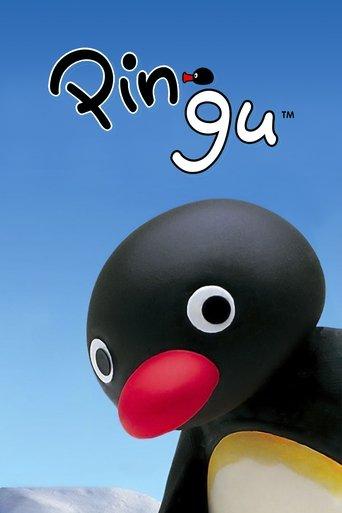
Pingu
1986
The sourced concerns are substantially offset by delivered value.
What counts as a cash grab?
Commercial extraction prioritized over meaningful consumer or creative value. Profit, popularity, adaptations, sequels, remakes, high budgets, and normal marketing do not count by themselves.
Why?
Pingu is a Swiss stop motion children series created by Otmar Gutmann and first broadcast in 1986, known for clay animation and nonverbal penguin 'penguinese' episodes. Contemporary sources document deliberate merchandising and licensing from the 1990s onward and later revivals in 2003 and 2017 which reused the property in new production formats. Available evidence shows organized commercial exploitation through merchandising and licensing, while production histories and official sites point to substantial original craft and later full reboots rather than purely low-effort reuse.
- Historical, documented push into merchandising and licensing beginning around 1990, indicating monetization beyond broadcast.
- Original 1986 series was handcrafted stop-motion clay animation by Otmar Gutmann, showing substantive production craft.
- Multiple revivals and a 2017 CGI revival reused the property, consistent with franchise exploitation but produced as distinct new series.
View full breakdownHide full breakdown
- No sources found that allege predatory pricing, deceptive release practices, or explicit rushed low-effort releases for the 1986 original.
Score factors
| Direction | Factor | Evidence | Impact |
|---|---|---|---|
| For | Documented merchandising and licensing | Scholarly research and franchise histories report that Swiss public television and rights-holders commercialized Pingu with books, tapes, puzzles and licensing revenue beginning around 1990.[2] | +20 |
| Against | Original production craft | The original 1986 series was produced by Otmar Gutmann using clay stop-motion animation and is presented on official franchise pages as handcrafted content.[3][1] | -18 |
| Against | Multiple revivals and format changes | Pingu was revived for additional series in 2003 by HIT Entertainment and again in 2017 as a CGI series 'Pingu in the City', showing reuse of the IP in new production styles.[1][4] | -14 |
| For | Public broadcaster revenue strategy | Research argues SRG SSR integrated merchandising of Pingu into its institutional strategy in the late 1980s and 1990s to diversify revenue, with cited figures for related sums in that period.[2] | +11 |
Confidence: High · Academic research and official franchise histories provide direct documentation of merchandising and production methods, while no reputable sources allege predatory pricing or rushed deceptive release for the original 1986 series. · Researched 2026-10-01
Sources reviewed
- [1]en.wikipedia.org
- [2]viewjournal.eu
- [3]www.pingu.jp
- [4]en.wikipedia.org
- [5]www.pingu.jp
- [6]www.dlas.jp
- [7]pingu.fandom.com
- [8]www.dlas.jp
- [9]pingu.fandom.com
- [10]www.researchgate.net
View 16 more sourcesShow fewer sources
- [11]home.turangga.workers.dev
- [12]brioux.tv
- [13]www.pingu.jp
- [14]wiki.ryanmichaelcurry.com
- [15]www.imdb.com
- [16]assets.informa.com
- [17]en.wikipedia.org
- [18]www.doppiozero.com
- [19]lsr.edu.in
- [20]www.wga.org
- [21]en.wikipedia.org
- [22]www.reddit.com
- [23]zh.wikipedia.org
- [24]ru.wikipedia.org
- [25]www.reddit.com
- [26]www.reddit.com
What does the community think?
The AI sees low cash-grab risk. What's your read?
Loading community verdict…