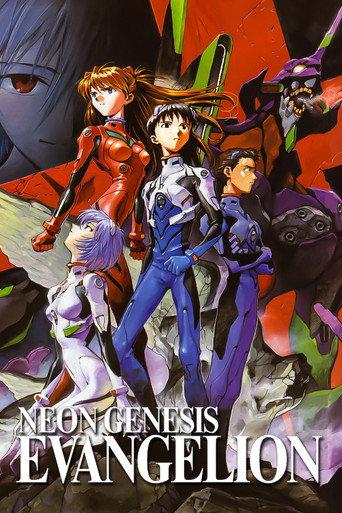
Neon Genesis Evangelion
1995
The sourced concerns are substantially offset by delivered value.
What counts as a cash grab?
Commercial extraction prioritized over meaningful consumer or creative value. Profit, popularity, adaptations, sequels, remakes, high budgets, and normal marketing do not count by themselves.
Why?
Neon Genesis Evangelion shows credible signs of longterm commercial extraction alongside clear artistic investment. The franchise has generated very large revenues from pachinko and extensive merchandising and has been repackaged across multiple home-video and streaming editions, sometimes with licensed music removed for cost reasons. At the same time the 1995 TV series and later Rebuild films are repeatedly documented as ambitious, risky, and influential artworks, produced under difficult conditions and widely praised by critics, which counts against labeling the whole property a simple cash grab.
- Franchise-level pachinko and merchandise sales have produced very large revenues, indicating strong commercial extraction pressure.
- Repeated reissues and new editions across VHS, DVD, Blu-ray, 4K and theatrical Rebuild films have required fans to repurchase material.
- Netflix 2019 release omitted the iconic Fly Me to the Moon versions due to licensing cost, degrading the original consumer experience.
View full breakdownHide full breakdown
- The original 1995 TV series and subsequent Rebuild films involved documented production risk, artistic ambition, and sustained critical acclaim.
Score factors
| Direction | Factor | Evidence | Impact |
|---|---|---|---|
| For | Pachinko and merchandise revenue | By 2015 Evangelion-based pachinko and pachislot machines reportedly accounted for very large revenues, cited at roughly ¥700 billion from over two million units, showing substantial franchise extraction via gambling products.[2] | +20 |
| Against | Rebuild films contain substantive new material | The Rebuild of Evangelion films present substantial new animation, story changes and a multi-film production that created original theatrical content beyond simple re-editing of the TV series.[1][3] | -10 |
| For | Licensing-driven content removal on releases | Netflix's 2019 global release excluded the series' iconic Fly Me to the Moon end-credit recordings in many territories due to licensing cost issues, altering the consumer experience for the platform release.[4][5] | +9 |
| For | Repeated reissues and format repackaging | The series and films have been reissued across multiple physical and digital formats over decades, prompting repeated purchases and fan complaints about incremental re-releases.[1] | +8 |
| Against | Original series artistic risk and acclaim | The 1995 TV series is widely documented as a critically influential, artistically risky work produced under difficult conditions, including an unconventional, abstract ending produced amid production troubles.[1][6] | -8 |
Confidence: High · There are multiple independent industry and news sources documenting large franchise merchandising and pachinko revenues and documented licensing-driven changes to releases, while mainstream reporting and retrospectives corroborate the series' artistic risk and substantive new Rebuild content; gaps · Researched 2026-07-31
Sources reviewed
- [1]en.wikipedia.org
- [2]www.sankyo-fever.co.jp
- [3]www.itmedia.co.jp
- [4]www.thewrap.com
- [5]kotaku.com
- [6]www.yokogaomag.com
- [7]www.reddit.com
- [8]www.reddit.com
- [9]forum.blu-ray.com
- [10]www.avforums.com
View 30 more sourcesShow fewer sources
- [11]www.reddit.com
- [12]forum.blu-ray.com
- [13]www.reddit.com
- [14]www.reddit.com
- [15]shapes.inc
- [16]www.reddit.com
- [17]www.reddit.com
- [18]www.reddit.com
- [19]www.brainscraps.net
- [20]www.reddit.com
- [21]www.reddit.com
- [22]www.reddit.com
- [23]www.reddit.com
- [24]allenc.com
- [25]www.stereonet.com
- [26]vgsales.fandom.com
- [27]scifi.stackexchange.com
- [28]www.tsuburaya-fields.co.jp
- [29]www.syfy.com
- [30]www.reddit.com
- [31]www.tsuburaya-fields.co.jp
- [32]www.reddit.com
- [33]www.cinemablend.com
- [34]www.reddit.com
- [35]en.wikipedia.org
- [36]www.latimes.com
- [37]www.reddit.com
- [38]www.reddit.com
- [39]www.reddit.com
- [40]it.wikipedia.org
What does the community think?
The AI sees low cash-grab risk. What's your read?
Loading community verdict…