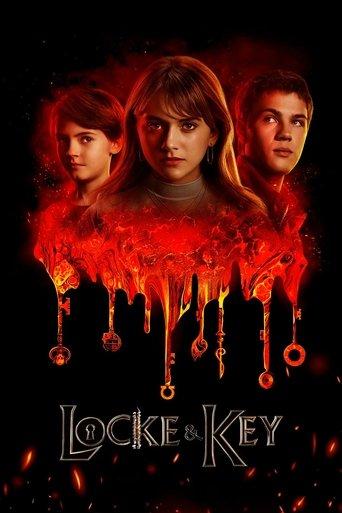
Locke & Key
2020
The sourced concerns are substantially offset by delivered value.
What counts as a cash grab?
Commercial extraction prioritized over meaningful consumer or creative value. Profit, popularity, adaptations, sequels, remakes, high budgets, and normal marketing do not count by themselves.
Why?
Locke & Key is a 2020 Netflix adaptation of Joe Hill and Gabriel Rodríguez's comic, developed by Carlton Cuse and Meredith Averill and released as full seasons on Netflix. I found no credible reporting of predatory monetization, microtransactions, or pay-gates tied to the show. Contemporary reviews and coverage emphasize substantial production design, special effects, showrunner and creator involvement, and multi-season investment, which point to meaningful creative and production effort rather than obvious extraction for quick commercial gain.
- No credible sources describe predatory monetization or pay-per-episode practices for the Netflix release.
- Major critics highlighted production design, effects, and casting as notable investments.
- Joe Hill is credited as a creator/executive producer, showing direct creator involvement in the adaptation.
View full breakdownHide full breakdown
- Netflix released complete seasons to subscribers and the show ran across multiple seasons, indicating ongoing investment.
Score factors
| Direction | Factor | Evidence | Impact |
|---|---|---|---|
| Against | Production craft and design | Multiple reviews from established outlets praise the show's production design, special effects, and casting, indicating significant production effort.[4][3][5] | -16 |
| Against | Creator involvement and adaptation | The series is an adaptation of Joe Hill and Gabriel Rodríguez's comic and lists Joe Hill among its producers, showing direct creator involvement in the TV version.[2][1][6] | -12 |
| For | No predatory monetization evidence | Contemporary sources and the Netflix media page show the series was distributed as a Netflix original available to subscribers, with no reporting of microtransactions or pay-per-episode schemes.[1][7][2] | +8 |
| Against | Consumer friendly distribution | Netflix released full episodes/seasons to its subscribers rather than employing a staggered pay-per-episode or limited preview model.[1][8] | -8 |
| Against | Artistic and technical risk and investment | Coverage notes tonal shifts, horror elements, and effects work across seasons, and the show was renewed for additional seasons rather than being a single rushed release.[9][2][10] | -6 |
Confidence: High · The assessment is based on contemporaneous production and review coverage and official Netflix material; I found direct sources documenting distribution, creator involvement, and critical commentary, and I found no credible reporting of exploitative monetization, though specialized merchandising det · Researched 2026-09-04
Sources reviewed
- [1]media.netflix.com
- [2]en.wikipedia.org
- [3]www.tvline.com
- [4]www.theguardian.com
- [5]www.tvguide.com
- [6]editorial.rottentomatoes.com
- [7]www.rottentomatoes.com
- [8]www.rottentomatoes.com
- [9]editorial.rottentomatoes.com
- [10]www.metacritic.com
View 8 more sourcesShow fewer sources
Does the community agree?
Agree or disagree with the AI's cash-grab read. One vote per browser on this title.
Loading community verdict…