TV Show

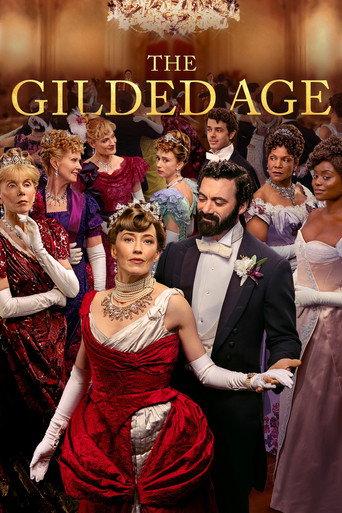
The Gilded Age

2022

42Score
Slightly Woke

A few message-driven moments appear.

Share your verdict

Community verdict

Pick the band you think fits. One vote per browser on this title. You cannot change it after you vote.

Loading community votes…

Woke Breakdown

Message-first dialogue
10
Tokenistic characters
12
Ideology over story
8
Legacy rewriting
5
Modern politics injection
7
Protected protagonist pattern
6
Anti-traditional framing
4
Cultural normalization framing
5

Quick reasons

  • The dialogue occasionally veers into moralizing, but it generally serves the period setting.
  • Characters like Peggy Scott feel somewhat crafted for representation, though they have depth.
  • While the story has ideological elements, it primarily focuses on personal struggles and societal norms.
  • There are minor shifts in historical accuracy, but they don't dominate the narrative.
  • The series does touch on modern themes, yet it remains rooted in its historical context.

AI cultural analysis

Here's the read.

The Gilded Age presents a rich tapestry of 1880s New York, focusing on the personal journeys of its characters rather than overt messaging. While some dialogue hints at modern moral lessons, it largely remains faithful to the era's complexities. Characters like Marian and Peggy are well-drawn, though they occasionally tread into tokenistic territory, reflecting contemporary values without overwhelming the narrative. The show does not shy away from social commentary, yet it prioritizes character development and historical context over ideological framing. Although there are elements that could be interpreted as modern politics, they are woven into the fabric of the story rather than imposed upon it. Overall, the series balances its historical setting with character-driven storytelling, making it more engaging than agenda-driven.
Related titles

More like this.

People also checked

What others ran after this one.

Explore

Trending now