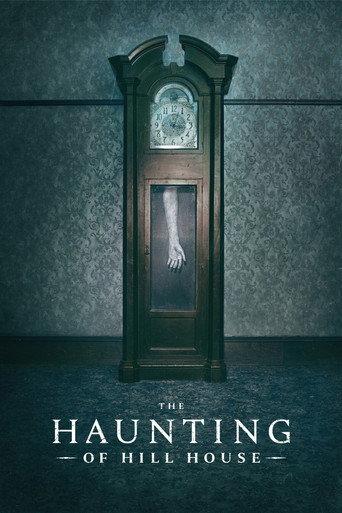
The Haunting of Hill House
2018
The sourced concerns are substantially offset by delivered value.
What counts as a cash grab?
Commercial extraction prioritized over meaningful consumer or creative value. Profit, popularity, adaptations, sequels, remakes, high budgets, and normal marketing do not count by themselves.
Why?
The Haunting of Hill House is a 2018 Netflix miniseries created and directed by Mike Flanagan that received strong critical praise and audience attention. Reporting and reviews document deliberate, resource-intensive production choices, notably the long-take staging in episode 6 and detailed sound and cinematography work, and Netflix subsequently signed Flanagan to an overall deal. Searches found no credible reporting of predatory monetization, rushed release tactics, or concrete price/value mismatches tied to this title.
- Widespread critical acclaim and high aggregator scores indicate substantive consumer value.
- Multiple production reports describe complex, high-effort cinematography and sound design.
- Netflix invested further in the creator with an overall series deal after the show.
View full breakdownHide full breakdown
- No credible sources identified predatory monetization, microtransactions, or rushed/deceptive release practices.
Score factors
| Direction | Factor | Evidence | Impact |
|---|---|---|---|
| Against | Production craft and long-take direction | Episode 6, "Two Storms," and other coverage document long continuous takes and intricate staging that required complex coordination, indicating significant production effort.[2][3][1] | -18 |
| Against | Critical reception and aggregator scores | Aggregator pages and year-end guides show high critic scores and inclusion among top TV horror of 2018, supporting substantive creative and consumer value.[4][5] | -16 |
| Against | Adaptation choices and original storytelling | Coverage and encyclopedic entries note the series reworks Shirley Jackson's novel, reshuffling chronology and adding a multi-timeline family drama focus, showing substantial new narrative content rather than simple reuse.[6] | -14 |
| For | Commercial interest without predatory monetization signals | Netflix publicly signed an overall deal with the show's creators after the series, showing commercial success, but reporting and product pages contain no credible evidence of predatory monetization, microtransactions, deceptive pricing, or rushed-release practices tied to this title.[7] | +8 |
| Against | Sound design and technical complexity | Interviews with sound personnel and technical writeups describe challenging sound work for the long-take episode and the series overall, reflecting technical investment rather than low-effort reuse.[9][8] | -7 |
Confidence: High · Multiple reputable production reports, interviews, and mainstream reviews directly document high-effort craftsmanship and strong critical reception, while searches found no reporting of predatory monetization or deceptive release practices for this title. · Researched 2026-09-14
Sources reviewed
- [1]www.youtube.com
- [2]www.tvguide.com
- [3]www.slashfilm.com
- [4]www.rottentomatoes.com
- [5]editorial.rottentomatoes.com
- [6]www.newyorker.com
- [7]about.netflix.com
- [8]suntup.press
- [9]formosagroup.com
- [10]www.techradar.com
View 13 more sourcesShow fewer sources
Does the community agree?
Agree or disagree with the AI's cash-grab read. One vote per browser on this title.
Loading community verdict…