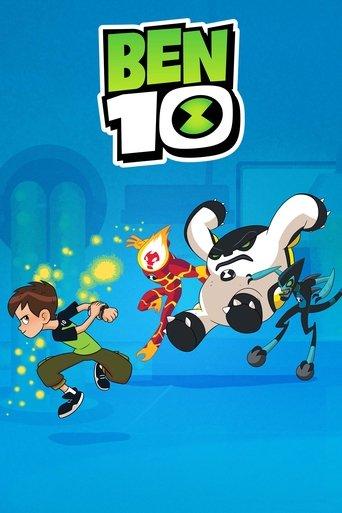
Ben 10
2016
There are sourced concerns, but the case is limited.
What counts as a cash grab?
Commercial extraction prioritized over meaningful consumer or creative value. Profit, popularity, adaptations, sequels, remakes, high budgets, and normal marketing do not count by themselves.
Why?
Ben 10 (2016) is a Cartoon Network reboot produced by Man of Action that was explicitly positioned with a toy-led consumer products plan, Playmates named as master toy and a mass-retail launch expected in fall 2017, which supports a merchandising-first intent; at the same time the series ran four seasons, produced a film and specials, and kept ongoing tie-ins, indicating substantial ongoing production investment and new content beyond a one-off relaunch. Evidence of deliberate extraction exists in licensing coverage, while long-term production and new episodes count as mitigating evidence.
- Industry licensing coverage identified a planned toy-led program and Playmates as master toy for the 2016 reboot.
- Public reporting and contemporaneous announcements framed the show as a reboot for a "new generation," consistent with brand reactivation strategies.
- Fan and community reaction repeatedly framed redesigns and recurring toy-focused powerups as evidence of merchandise-driven choices.
View full breakdownHide full breakdown
- The series sustained four seasons, a feature film and crossover specials, showing substantial ongoing production beyond a single quick cash extraction.
Score factors
| Direction | Factor | Evidence | Impact |
|---|---|---|---|
| For | Toy-led merchandising plan | Industry licensing coverage stated the Ben 10 (2016) relaunch was expected to be a toy-led program with Playmates Toys named as the master toy partner and mass-retail toy launch planned for fall 2017.[1] | +19 |
| For | Audience complaints about redesigns and toy-driven elements | Fan forums and community threads repeatedly criticized alien redesigns, recurring armor/powerup gizmos and perceived toy-driven content additions, framing the series as prioritizing merchandise over legacy designs or deeper storytelling.[2][3] | +10 |
| For | Reboot positioned as 'new generation' | Press and trade announcements framed the 2016 series as a reboot returning the franchise to its roots for a "new generation," language commonly used when reactivating known IP for commercial reuse.[4] | +9 |
| Against | Ongoing product rollouts | Trade notices and later toy press releases show ongoing product rollouts tied to the reboot, for example Playmates expanding the line in subsequent years, which supports both continued commercial exploitation and the existence of consumer-facing play products.[1] | -9 |
Confidence: Medium · Evidence includes contemporaneous industry licensing reporting and production records, those reliably show a toy-led strategy and sustained production, but there is limited direct internal documentation or investigative reporting proving studio intent beyond standard licensing plans and fan reaction · Researched 2026-08-26
Sources reviewed
- [1]kidscreen.com
- [2]www.reddit.com
- [3]www.thetoptens.com
- [4]www.avclub.com
- [5]ben10club.org
- [6]ben10club.org
- [7]ben10club.org
- [8]en.wikipedia.org
- [9]ben10club.org
- [10]myanimethoughts.com
View 23 more sourcesShow fewer sources
- [11]ben10club.org
- [12]www.reddit.com
- [13]www.reddit.com
- [14]www.reddit.com
- [15]www.reddit.com
- [16]ben10club.org
- [17]ben10club.org
- [18]ben10.fandom.com
- [19]iwritethereforeiamblog.wordpress.com
- [20]www.reddit.com
- [21]en.wikipedia.org
- [22]www.reddit.com
- [23]www.imdb.com
- [24]www.scribd.com
- [25]www.nickalive.net
- [26]www.scribd.com
- [27]www.ebay.com
- [28]www.ebay.com
- [29]mx.ebay.com
- [30]br.ebay.com
- [31]hn.ebay.com
- [32]cr.ebay.com
- [33]by.ebay.com
What does the community think?
The AI found some cash-grab signs. What's your read?
Loading community verdict…