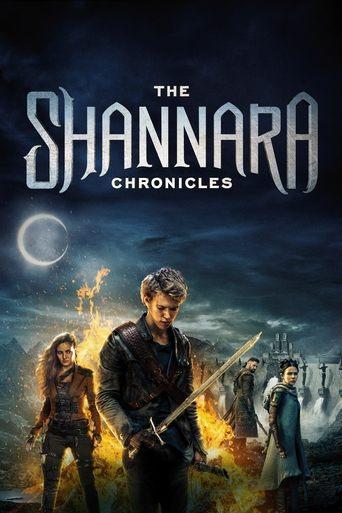
The Shannara Chronicles
2016
The sourced concerns are substantially offset by delivered value.
What counts as a cash grab?
Commercial extraction prioritized over meaningful consumer or creative value. Profit, popularity, adaptations, sequels, remakes, high budgets, and normal marketing do not count by themselves.
Why?
The Shannara Chronicles premiered on MTV in January 2016 and ran two seasons before being passed over by Paramount/Spike, reporting low ratings despite high-cost production; contemporary reviews described it as derivative and teen‑targeted while some outlets praised MTV for attempting big fantasy TV. Reporting indicates the series was an expensive gamble aimed at riding renewed interest in epic fantasy, but I found no direct evidence of predatory monetization, deceptive releases, or explicit rushed-for-profit practices.
- Contemporary coverage framed the series as a network bid to capitalize on fantasy TV popularity rather than a boutique artistic project.
- Critics frequently called the show derivative and juvenile, which supports concerns about creative weakness.
- Industry reporting cited high special effects and New Zealand location shooting, making the series expensive relative to its audience.
View full breakdownHide full breakdown
- At the same time outlets noted the show represented a significant production effort and a genuine network risk in moving into big fantasy television.
Score factors
| Direction | Factor | Evidence | Impact |
|---|---|---|---|
| For | High cost versus modest audience | Reporting noted the series used abundant special effects and New Zealand location shooting, and that season 2 ratings were low around 500,000 viewers, making it hard to justify its expense.[1] | +15 |
| For | Mixed critical reception | Multiple reviews described the show as derivative, tween‑friendly, or lacking originality, and season 1 holds mixed aggregator scores.[3][4] | +14 |
| Against | Production scale and risk | Industry and trade coverage described the show as an ambitious, costly shift into epic fantasy for MTV and credited the network for taking a significant scripted risk.[5][2] | -14 |
| For | Network trend capitalization | Coverage stated MTV greenlit the series to raise its scripted profile and capitalize on renewed interest in fantasy television following Game of Thrones.[1][2] | +9 |
| Against | Adaptation from a major fantasy property | The series was a televised adaptation of Terry Brooks' Shannara novels with professional showrunners and studio backing, and it achieved two produced seasons which indicates substantive investment in content.[6][7] | -8 |
Confidence: Medium · Contemporary trade and mainstream reviews provide specific evidence about budgeting, ratings, and critical reception, but I found no primary-source documentation of predatory monetization, deceptive release practices, or explicit rushed exploitation, which leaves the extraction case incomplete. · Researched 2026-09-15
Sources reviewed
- [1]www.tvguide.com
- [2]www.washingtonpost.com
- [3]www.thewrap.com
- [4]www.rottentomatoes.com
- [5]www.forbes.com
- [6]en.wikipedia.org
- [7]www.forbes.com
- [8]www.tvinsider.com
- [9]figments.princeton.edu
- [10]thecriticaldragon.com
View 14 more sourcesShow fewer sources
What does the community think?
The AI sees low cash-grab risk. What's your read?
Loading community verdict…