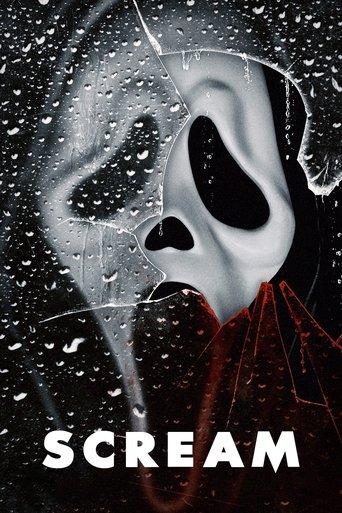
Scream: The TV Series
2015
The sourced concerns are substantially offset by delivered value.
What counts as a cash grab?
Commercial extraction prioritized over meaningful consumer or creative value. Profit, popularity, adaptations, sequels, remakes, high budgets, and normal marketing do not count by themselves.
Why?
Scream: The TV Series (2015) was an MTV-produced reimagining of the Scream franchise that received mixed critical response, fan backlash, and later creative turnover. Critics noted it lacked the original films cinematic flair while some retrospectives and fan commentary called the adaptation an opportunistic reboot aimed at teen audiences. I did not find credible evidence of predatory pricing, deceptive release practices, or explicit monetization strategies designed to extract consumers beyond normal TV distribution deals and later international licensing.
- Contemporary reviews praised some craft but repeatedly noted the show traded cinematic strengths for episodic teen drama, suggesting lower creative payoff compared with the films.
- Fan and retrospective commentary framed the MTV adaptation as opportunistic and a franchise reboot intended to capture a youth market.
- There is documented creative turnover after season one, with Dimension/rights-holders intervening, which indicates franchise control tensions but not direct monetization malpractice.
View full breakdownHide full breakdown
- No sources present explicit predatory monetization, deceptive release, or price/value mismatch tied specifically to this series.
Score factors
| Direction | Factor | Evidence | Impact |
|---|---|---|---|
| For | No evidence of predatory monetization found | Searches did not identify any credible reporting of exploitative pricing, deceptive distribution, or microtransaction style monetization tied to the series release.[1] | +20 |
| Against | Mixed critical reception and notes on low effort adaptation | Critics noted the show lacked the cinematic flair of the original films and questioned whether a slasher could sustain episodic television, pointing to compromises in pacing and tone.[2][1] | -13 |
| For | Franchise rebooting | Multiple sources describe the series as an MTV reimagining of the Scream film franchise and report fan outrage over changes to the franchise, which signals brand-driven reuse rather than a direct film continuation.[3] | +11 |
| For | Contemporary and retrospective commentary calling it a cash | Several retrospective articles and fan pieces explicitly characterize the series as feeling like a cash grab or opportunistic reboot aimed at teens.[4][5] | +9 |
| Against | Showrunner and creative turnover | Reports document showrunner replacements after season one and Dimension Television expressing unhappiness with the initial creative direction, indicating active studio involvement to protect the property.[6] | -6 |
| Against | Low initial viewership reporting | Contemporaneous reporting noted the premiere performed under a million viewers and was described by some outlets as underperforming out of the gate.[7] | -6 |
Confidence: Medium · There is clear commentary framing the series as an opportunistic franchise reboot and mixed critical reporting on creative compromises, but I found no direct source-level evidence of predatory monetization or deceptive pricing practices, leaving a gap on explicit extraction mechanisms. · Researched 2026-10-11
Sources reviewed
- [1]www.rottentomatoes.com
- [2]www.metacritic.com
- [3]bloody-disgusting.com
- [4]thelightshot.com
- [5]comicbook.com
- [6]avclub.com
- [7]www.horrorsociety.com
- [8]www.flowjournal.org
- [9]www.metacritic.com
- [10]www.imdb.com
View 9 more sourcesShow fewer sources
What does the community think?
The AI sees low cash-grab risk. What's your read?
Loading community verdict…