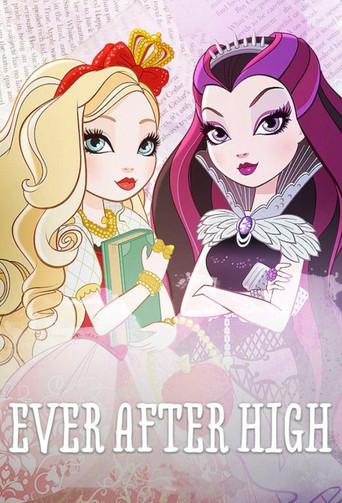
Ever After High
2013
The sourced concerns are substantially offset by delivered value.
What counts as a cash grab?
Commercial extraction prioritized over meaningful consumer or creative value. Profit, popularity, adaptations, sequels, remakes, high budgets, and normal marketing do not count by themselves.
Why?
Ever After High was created and launched by Mattel in 2013 as a cross-platform IP built around a fashion doll line and supported by free animated webisodes, books, games, an interactive music video, and later Netflix-distributed specials and a series. Primary evidence shows the property was developed as a toy franchise with coordinated entertainment support rather than originating as an independent creative series, while production partners and multi-format content indicate meaningful creative investment beyond simple product listing.
- Mattel publicly launched Ever After High as a multiplatform fashion doll franchise tied to webisodes and digital content.
- Corporate filings and launch materials position the property as a franchise product designed to drive toy sales.
- Multiple production partners and substantial original webisode and special production indicate real content creation.
View full breakdownHide full breakdown
- Free webisodes, books, and Netflix specials provided consumer-facing entertainment beyond direct product ads.
Score factors
| Direction | Factor | Evidence | Impact |
|---|---|---|---|
| For | Company earnings framing | Mattel mentioned Ever After High explicitly in corporate earnings materials as its next girls franchise and compared its product rollout to Monster High.[2] | +18 |
| Against | Toys with substantial tie-in media | The launch included an initial collection of dolls plus an ecosystem of webisodes, books, games, and an interactive music video supporting the toy line.[1][3] | -15 |
| Against | Professional production work | Animation production was handled by established studios, including Guru Studio, indicating real production investment and craft.[5][4] | -13 |
| For | Franchise-first launch | Mattel marketed Ever After High from the start as a multiplatform fashion doll franchise tied to digital content and product sales.[1][6] | +12 |
| Against | Free consumer-facing content | Mattel released free animated webisodes on YouTube and its site and supported tie-in novels, offering entertainment access separate from direct toy purchase.[1][7] | -9 |
Confidence: High · Direct corporate launch materials, an earnings transcript, contemporaneous trade reporting, and production studio pages provide clear, specific evidence about the franchise-first origin and the existence of substantive original content, gaps are limited to independent criticism explicitly labeling i · Researched 2026-10-28
Sources reviewed
- [1]kidscreen.com
- [2]s201.q4cdn.com
- [3]everafterhigh.fandom.com
- [4]en.wikipedia.org
- [5]gurustudio.com
- [6]toybook.com
- [7]www.publishersweekly.com
- [8]www.scholastic.ca
- [9]www.awn.com
- [10]www.annualreports.com
View 13 more sourcesShow fewer sources
- [11]mattel.fandom.com
- [12]www.comingsoon.net
- [13]www.newswire.ca
- [14]www.thewrap.com
- [15]www.c21media.net
- [16]en.wikipedia.org
- [17]m.toymania.com
- [18]en.wikipedia.org
- [19]en.wikipedia.org
- [20]en.wikipedia.org
- [21]en.wikipedia.org
- [22]www.reddit.com
- [23]www.reddit.com
What does the community think?
The AI sees low cash-grab risk. What's your read?
Loading community verdict…