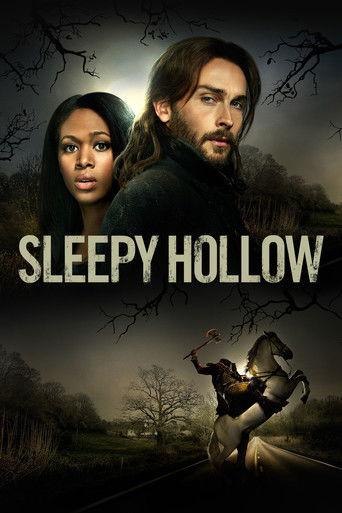
Sleepy Hollow
2013
The sourced concerns are substantially offset by delivered value.
What counts as a cash grab?
Commercial extraction prioritized over meaningful consumer or creative value. Profit, popularity, adaptations, sequels, remakes, high budgets, and normal marketing do not count by themselves.
Why?
Sleepy Hollow is a 2013 Fox television series loosely adapted from Washington Irving that ran four seasons and 62 episodes from September 16, 2013 to March 31, 2017. Contemporary reporting and reviews emphasize high production values, effects work, and early commercial success including rapid pickup and strong DVR lift. I found no credible reporting that the series employed predatory monetization, deceptive release practices, paywalls tied to core episodes, or explicit studio statements prioritizing bare extraction over creative investment.
- Contemporary press and trade coverage describe strong production values and effects work rather than cheap reuse.
- The show was commercially successful early, earning a full-season pickup and multiple seasons, without reporting of exploitative monetization.
- Independent critics gave generally positive reviews for craft and entertainment value, noting mythology and production.
View full breakdownHide full breakdown
- No credible sources report predatory pricing, deceptive release timing, or explicit studio comments framing the series as a cash grab.
Score factors
| Direction | Factor | Evidence | Impact |
|---|---|---|---|
| For | No reported exploitative monetization | I found no reporting of predatory monetization schemes, paywalling of episodes, or deceptive monetization tied to the series release.[1] | +20 |
| Against | Contemporary critical praise for craft | Multiple critics praised the show’s production values, effects and entertainment quality in initial reviews and aggregated scores.[2] | -14 |
| For | No reporting of rushed or deceptive release behavior | I found no credible trade or news reporting alleging deceptive release practices, rushed deadlines that compromised the product, or studio admissions of rushing to monetize.[1] | +11 |
| Against | Adaptation from public domain material | The series is a loose modern retelling of Washington Irving’s 1820 story, expanded with original mythology rather than mere literal reuse.[3] | -10 |
| Against | Early pickup and multi-season run | The series earned a quick season pickup after three episodes and ran four seasons totaling 62 episodes, indicating sustained commercial viability.[4] | -9 |
Confidence: High · Contemporary trade reporting, mainstream reviews, and production records consistently document the show’s multi-season run and production investment, and I found no credible sources alleging exploitative monetization or deceptive release practices. · Researched 2026-10-31
Sources reviewed
- [1]www.latimes.com
- [2]www.washingtonpost.com
- [3]www.latimes.com
- [4]www.televisionacademy.com
- [5]en.wikipedia.org
- [6]www.metacritic.com
- [7]www.timeout.com
- [8]www.ajc.com
- [9]www.theguardian.com
- [10]www.backstage.com
View 11 more sourcesShow fewer sources
What does the community think?
The AI sees low cash-grab risk. What's your read?
Loading community verdict…