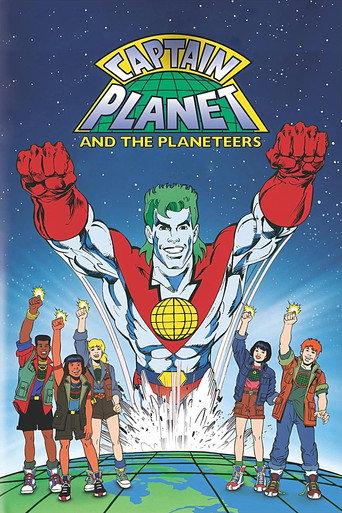
Captain Planet and the Planeteers
1990
The sourced concerns are substantially offset by delivered value.
What counts as a cash grab?
Commercial extraction prioritized over meaningful consumer or creative value. Profit, popularity, adaptations, sequels, remakes, high budgets, and normal marketing do not count by themselves.
Why?
Contemporary reporting and producer accounts show Captain Planet was created in 1989-1990 as an explicitly educational environmental series conceived by Ted Turner and Barbara Pyle, it ran multiple seasons and spawned licensed toys, games and tie-ins, and producers negotiated a percentage of merchandising revenue to fund the Captain Planet Foundation and to encourage sustainable merchandise practices, there is no credible sourced evidence of predatory monetization, deceptive release practices, or low-effort reuse that would by itself demonstrate a cash grab.
- Creators framed the series as an educational environmental initiative from inception.
- Producers negotiated merchandising revenue to fund the Captain Planet Foundation.
- Coverage documents licensed products and tie-ins but also notes efforts toward sustainable merchandise.
View full breakdownHide full breakdown
- No reputable sources present concrete accusations of predatory pricing, rushed release, or deceptive monetization.
Score factors
| Direction | Factor | Evidence | Impact |
|---|---|---|---|
| Against | Creation intent | Ted Turner and Barbara Pyle conceived the series to educate children about environmental issues and inspire action.[1][2] | -16 |
| Against | Merchandise revenue commitment | Producers negotiated a percentage of merchandising revenue to create the Captain Planet Foundation to fund youth environmental projects.[1][3] | -14 |
| Against | Sustainable merchandise effort | Barbara Pyle and production requested merchandise be made sustainably and producers report companies changed production practices accordingly.[1][4] | -12 |
| For | Licensed products and tie-ins | The series produced action figures, a video game, comics and promotional tie-ins, indicating commercial licensing activity.[1][5] | +8 |
Confidence: Medium · Multiple primary and reputable secondary sources document the series' educational intent, merchandising arrangements, and sustainable merchandise efforts, however there are limited investigative sources explicitly addressing whether specific commercial practices were predatory so definitive extracti · Researched 2026-10-04
Sources reviewed
- [1]en.wikipedia.org
- [2]www.latimes.com
- [3]captainplanetfoundation.org
- [4]www.theguardian.com
- [5]www.syfy.com
- [6]www.latimes.com
- [7]www.latimes.com
- [8]en.wikipedia.org
- [9]grist.org
- [10]www.acmi.net.au
View 11 more sourcesShow fewer sources
What does the community think?
The AI sees low cash-grab risk. What's your read?
Loading community verdict…