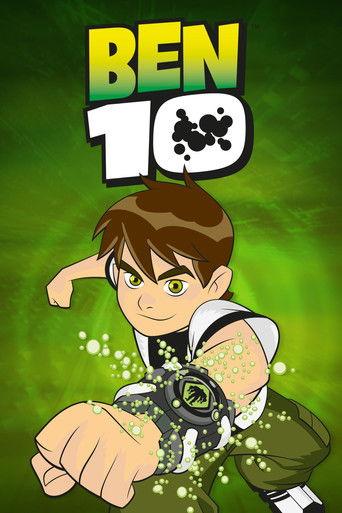
Ben 10
2005
The sourced concerns are substantially offset by delivered value.
What counts as a cash grab?
Commercial extraction prioritized over meaningful consumer or creative value. Profit, popularity, adaptations, sequels, remakes, high budgets, and normal marketing do not count by themselves.
Why?
Ben 10 (2005) was launched with an aggressive, multi-category licensing program and high-profile toy tie-ins, while the show was developed and run by the creator collective Man of Action and Cartoon Network Studios across multiple seasons and spin-offs. Trade reporting and network statements document rapid toy licensing, strong retail sell-through, and planned games and apparel. Independent production interviews and contemporary reviews describe an intentional, creator-driven series with original episodes, feature-length TV films, and later continuations, and I found no reporting of deceptive release or predatory pricing tied to the initial series launch.
- Cartoon Network awarded a master toy license and publicly promoted broad merchandising shortly after the 2005/2006 launch.
- Retail reporting cited strong sell-through and retailers reordering Omnitrix toys.
- The series was created and repeatedly defended as a creator-driven property by Man of Action and Cartoon Network executives.
View full breakdownHide full breakdown
- Ben 10 generated substantive new content, including multiple seasons, TV films, and later continuations.
- I found no credible sources alleging rushed releases, deceptive marketing, or predatory pricing for the original 2005 series.
Score factors
| Direction | Factor | Evidence | Impact |
|---|---|---|---|
| For | Aggressive toy licensing | Cartoon Network awarded Bandai the master toy license and pursued a broad licensing program for toys, apparel, games, and publishing tied to Ben 10 soon after the series launch.[3][1][4] | +23 |
| Against | Creator-driven production | Interviews and production writeups describe Ben 10 as a creator-driven project from Man of Action with deliberate design choices for ongoing storytelling and character concepts.[5][2] | -16 |
| Against | Multiple seasons and spin-offs | The original 2005 series led to multi-season runs, a TV film and several continuations and reboots, showing substantial ongoing content creation beyond initial episodes.[2][6] | -15 |
| For | Documented retail success | Trade coverage reported rapid retail sell-through for Omnitrix toys and retailers reordering stock, indicating the IP was monetized successfully at retail.[7][1] | +12 |
Confidence: High · Evidence is drawn from contemporaneous trade reporting, network statements, and creator interviews documenting strong merchandising and substantive production; there is no credible source alleging predatory monetization or deceptive release for the 2005 series, creating a clear but non-definitive pi · Researched 2026-08-26
Sources reviewed
- [1]www.awn.com
- [2]en.wikipedia.org
- [3]toynewsi.com
- [4]www.tvweek.com
- [5]www.theguardian.com
- [6]en.wikipedia.org
- [7]www.nexttv.com
- [8]www.tfw2005.com
- [9]ben10club.org
- [10]lizenzbranche.de
View 29 more sourcesShow fewer sources
- [11]www.licenseglobal.com
- [12]www.tvweek.com
- [13]assets.informa.com
- [14]ttabvue.uspto.gov
- [15]www.reddit.com
- [16]www.cynopsis.com
- [17]www.reddit.com
- [18]corp.hasbro.com
- [19]www.publishersweekly.com
- [20]www.reddit.com
- [21]www.bureauofbeasties.com
- [22]en.wikipedia.org
- [23]ben10.fandom.com
- [24]www.scribd.com
- [25]cartoonnetwork.fandom.com
- [26]houseofgeekery.com
- [27]en.wikipedia.org
- [28]worldscreen.com
- [29]www.skwigly.co.uk
- [30]comicbook.com
- [31]www.awn.com
- [32]manofaction.tv
- [33]www.prnewswire.com
- [34]pt.wikipedia.org
- [35]en.wikipedia.org
- [36]longbeachcomiccon.com
- [37]erepository.uonbi.ac.ke
- [38]www.dynamite.com
- [39]www.reddit.com
What does the community think?
The AI sees low cash-grab risk. What's your read?
Loading community verdict…