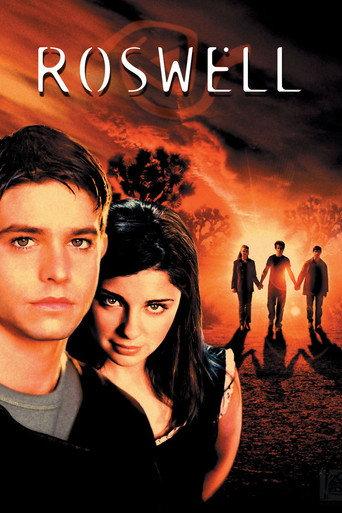
Roswell
1999
The sourced concerns are substantially offset by delivered value.
What counts as a cash grab?
Commercial extraction prioritized over meaningful consumer or creative value. Profit, popularity, adaptations, sequels, remakes, high budgets, and normal marketing do not count by themselves.
Why?
Roswell (1999) is a three-season American teen science fiction television series developed by Jason Katims, adapted from Melinda Metz's Roswell High novels and broadcast on The WB then UPN from 1999 to 2002. Available production and coverage show a conventional TV development, network pickup, and an engaged fanbase. I found no credible trade reporting alleging predatory monetization, rushed or deceptive release tactics, or evidence the series was produced primarily as a low-effort brand cash grab rather than a serialized teen sci-fi drama.
- Adaptation from a preexisting YA novel series, not an opportunistic one-off tie-in.
- Developed by known TV writer Jason Katims and ran three seasons, indicating routine production investment.
- No credible reporting located linking the original series to predatory monetization or deceptive release practices.
View full breakdownHide full breakdown
- The move between networks was a distribution decision by the studio and network, not documented as exploitative merchandising.
Score factors
| Direction | Factor | Evidence | Impact |
|---|---|---|---|
| Against | Production development and run | The show was developed and co-written by Jason Katims, premiered October 1999, and ran three seasons, indicating multi-season production commitment rather than a single rushed commercial release.[1][3] | -15 |
| Against | Adaptation source | Roswell (1999) was adapted from the Roswell High young adult novels by Melinda Metz, first published by Pocket Books, showing the series originated in existing YA IP rather than being invented solely as a quick commercial product.[4][1] | -12 |
| Against | Contemporary reception and fanbase | Contemporary listings and summaries describe the series as relationship-driven teen science fiction that gained an outspoken fanbase, consistent with consumer engagement and serialized creative intent.[2][1] | -10 |
| For | No evidence of predatory monetization | Searches of contemporary and summary sources produced no credible trade or press reporting that the 1999 series employed predatory monetization, exploitative pricing, or deceptive consumer practices.[1][2] | +8 |
| For | Studio distribution decision | After ratings issues the studio and networks moved the series between The WB and UPN as a distribution and packaging decision, this is commercial activity but not in itself proof of low-effort exploitation.[1][5] | +8 |
Confidence: Medium · Available authoritative summaries and listings (Wikipedia, TV Guide, network history) provide solid provenance and reception context but I could not consult contemporaneous trade reporting or detailed studio financials within the search limit, so direct evidence of predatory monetization is limited. · Researched 2026-09-02
Sources reviewed
- [1]en.wikipedia.org
- [2]www.tvguide.com
- [3]en.wikipedia.org
- [4]en.wikipedia.org
- [5]en.wikipedia.org
- [6]www.researchgate.net
- [7]www.scribd.com
- [8]ufospotlight.org
- [9]ufospotlight.org
- [10]www.scribd.com
View 27 more sourcesShow fewer sources
- [11]chwmeg.org
- [12]chwmeg.org
- [13]stacyalesi.com
- [14]en.wikipedia.org
- [15]en.wikipedia.org
- [16]en.wikiquote.org
- [17]www.imdb.com
- [18]fanlore.org
- [19]wiki.sizzltek.com
- [20]webfiddle.net
- [21]commons.wikimedia.org
- [22]www.imdb.com
- [23]kiwix.scoggi.net
- [24]browse.zim.carpocratian.org
- [25]roswell.fandom.com
- [26]ttabvue.uspto.gov
- [27]scholarsbank.uoregon.edu
- [28]www.reddit.com
- [29]www.reddit.com
- [30]db01.ces.funai.edu.ng
- [31]www.reddit.com
- [32]www.staff.ces.funai.edu.ng
- [33]www.reddit.com
- [34]crashdown.com
- [35]www.reddit.com
- [36]www.reddit.com
- [37]www.reddit.com
What does the community think?
The AI sees low cash-grab risk. What's your read?
Loading community verdict…