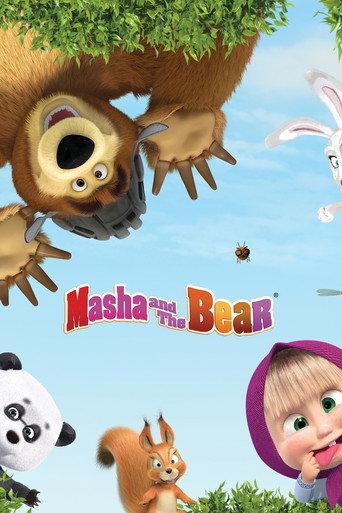
Masha and the Bear
2009
The sourced concerns are substantially offset by delivered value.
What counts as a cash grab?
Commercial extraction prioritized over meaningful consumer or creative value. Profit, popularity, adaptations, sequels, remakes, high budgets, and normal marketing do not count by themselves.
Why?
Masha and the Bear is a Russian CGI preschool series (first aired 2009) that grew into a global franchise via streaming and YouTube, generating very large view counts and substantial licensing revenue while also expanding into toys, live shows, apps, and themed experiences. Reporting documents heavy commercialization and licensing as major revenue streams. Independent trade and press coverage also note sustained production, international distribution, and awards, indicating substantive production investment alongside aggressive monetization.
- Independent coverage documents massive YouTube viewership and franchise licensing income, indicating strong commercial extraction.
- Trade press and distributor announcements record broad licensing into toys, apps, live shows, and theme-park experiences.
- Animation trade and industry sources note high view milestones, distribution deals, and Guinness recognition, supporting wide reach and production scale.
View full breakdownHide full breakdown
- There is clear evidence of extensive merchandising and licensing but also reporting of ongoing production, awards, and studio investment.
Score factors
| Direction | Factor | Evidence | Impact |
|---|---|---|---|
| For | YouTube scale and monetization | Industry coverage reports the series reached unprecedented YouTube view milestones and drove substantial digital revenue for Animaccord and partners.[1][4] | +23 |
| For | License and merchandise emphasis | Press and news reports state licensing and merchandise accounted for a large portion of the franchise revenue and Animaccord prioritized product licensing and live experiences.[2] | +21 |
| Against | Production investment and craft | Sources describe Animaccord as a dedicated studio producing CGI episodes, with international distribution, awards, and sustained production over many seasons.[3][1] | -15 |
| Against | Expanded content and experiences | Trade reporting and press releases document expansion into toys, apps, live shows, and theme-park attractions, representing substantial commercial exploitation but also new consumer products.[2][1] | -14 |
| For | Short episode format suited to digital platforms | Reports and studio commentary note the short runtime of episodes that suited YouTube distribution and helped drive repeat views and platform monetization.[1][3] | +8 |
Confidence: High · Multiple reputable industry and news sources document both extensive commercial licensing and substantial production and distribution; gaps include limited public detail on specific contract terms or predatory pricing practices. · Researched 2026-11-04
Sources reviewed
- [1]www.awn.com
- [2]www.spinmaster.com
- [3]en.wikipedia.org
- [4]www.parrotanalytics.com
- [5]aakr.ru
- [6]bloomberg.com
- [7]aakr.ru
- [8]meduza.io
- [9]www.intellinews.com
- [10]toybook.com
View 15 more sourcesShow fewer sources
- [11]www.euronews.com
- [12]www.animator.ru
- [13]www.vedomosti.ru
- [14]www.awn.com
- [15]www.ftc.gov
- [16]amp.rbc.ru
- [17]assets.informa.com
- [18]www.thegloballicensinggroup.com
- [19]it.wikipedia.org
- [20]de.wikipedia.org
- [21]en.wikipedia.org
- [22]fr.wikipedia.org
- [23]en.wikipedia.org
- [24]time.com
- [25]www.reddit.com
What does the community think?
The AI sees low cash-grab risk. What's your read?
Loading community verdict…