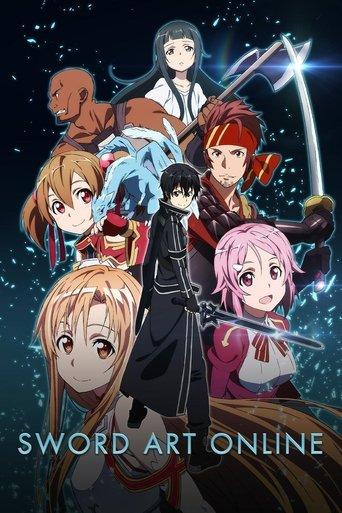
Sword Art Online
2012
The sourced concerns are substantially offset by delivered value.
What counts as a cash grab?
Commercial extraction prioritized over meaningful consumer or creative value. Profit, popularity, adaptations, sequels, remakes, high budgets, and normal marketing do not count by themselves.
Why?
Sword Art Online is a 2012 anime adaptation by A-1 Pictures of Reki Kawahara's light novels, praised for high production values, music and animation while also spawning a large commercial franchise including films, multiple video games and merchandise with multi-million sales. Independent reviews from 2012 onward criticize pacing, adaptation choices and some tie-in product quality, but I found no sourced reporting that the 2012 TV broadcast itself was released with predatory monetization or deceptive sales practices.
- The franchise expanded rapidly into films, games and merchandise with multi-million unit sales, showing extensive commercialization.
- Contemporary and retrospective reviews praise A-1 Pictures production values and Yuki Kajiura music, indicating substantial craft investment.
- Multiple reviewers and fan commentary document narrative pacing and adaptation choices that reduced perceived creative value.
View full breakdownHide full breakdown
- Some tie-in games received mixed reviews and localization/quality complaints, showing consumer-quality problems in ancillary products.
Score factors
| Direction | Factor | Evidence | Impact |
|---|---|---|---|
| Against | High production values | Contemporary previews and multiple reviews highlight A-1 Pictures' animation, direction and Yuki Kajiura's score as production strengths of the 2012 TV adaptation.[1][3] | -15 |
| For | Narrative and adaptation criticisms | Multiple independent reviewers and user-review aggregations criticize the series for uneven writing, pacing and adaptation choices that many viewers saw as diminishing narrative value.[4][5] | +13 |
| For | Franchise commercialization and sales | Official Aniplex materials and franchise summaries report multi-million sales and note the series spawned films, video games and merchandise, showing broad commercial expansion beyond the TV show.[6][2] | +12 |
| Against | No sourced predatory monetization or deceptive release for 2 | I found no credible reporting or official documentation alleging the 2012 TV broadcast was released with predatory monetization, deceptive pricing, or rushed distribution practices tied to extracting consumer value.[2][1] | -9 |
| For | Mixed quality of tie-in games and localization | Some franchise video games tied to the series received mixed-to-negative reviews and were noted for localization errors and design issues, reflecting consumer-facing quality problems in ancillary monetized products.[7] | +8 |
Confidence: Medium · Sources document clear commercial expansion and well-documented production strengths and criticisms, but I found no direct investigative reporting alleging predatory monetization tied specifically to the 2012 TV release so the evidence for a cash-grab conclusion is partial and circumstantial. · Researched 2026-08-28
Sources reviewed
- [1]www.crunchyroll.com
- [2]en.wikipedia.org
- [3]www.otakustudy.com
- [4]www.anime-planet.com
- [5]2danicritic.github.io
- [6]aniplexusa.com
- [7]en.wikipedia.org
- [8]personafication.wordpress.com
- [9]lostinanime.com
- [10]animetiger.com
View 11 more sourcesShow fewer sources
What does the community think?
The AI sees low cash-grab risk. What's your read?
Loading community verdict…