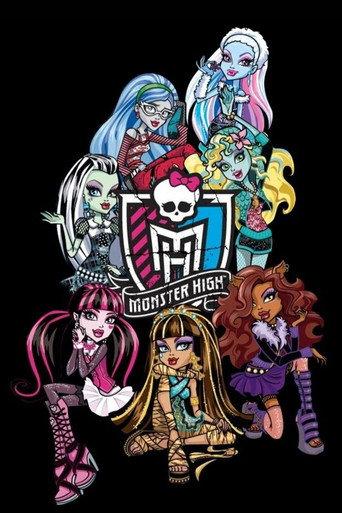
Monster High
2010
The sourced concerns are substantially offset by delivered value.
What counts as a cash grab?
Commercial extraction prioritized over meaningful consumer or creative value. Profit, popularity, adaptations, sequels, remakes, high budgets, and normal marketing do not count by themselves.
Why?
Monster High began in June 2010 as a Mattel-created multimedia franchise launched simultaneously with a doll line, webisodes and tie-in books and apparel, with corporate materials and contemporaneous press describing the strategy as a coordinated franchise rollout rather than an isolated creative project. Coverage at the time highlights deliberate commercial planning and cross-category licensing, while contemporaneous animation content included webisodes and a 2010 TV special, showing both product-first intent and investment in short-form media.
- Mattel launched Monster High in 2010 as an integrated franchise across dolls, webisodes, apparel and books, a deliberate commercial rollout.
- Contemporaneous press frames the initiative as a franchise management strategy from the start, indicating prioritization of product and brand extension.
- There was original media produced at launch, including webisodes and a TV special, indicating some creative/production investment.
View full breakdownHide full breakdown
- No credible sources allege predatory pricing, deceptive release timing, or explicit rushed animation shortcuts for the 2010 launch.
Score factors
| Direction | Factor | Evidence | Impact |
|---|---|---|---|
| For | Corporate promotion and licensing | Press and trade reporting at launch note Mattel planned simultaneous product categories and licensing, and Mattel described Monster High as a new franchise model for multi-category engagement.[1][3] | +19 |
| For | Franchise-first launch | Mattel introduced Monster High in June 2010 as a coordinated franchise rollout across toys, webisodes, apparel, books and licensing, described by company executives as a strategic new franchise model.[1][2] | +14 |
| Against | Original webisodes and TV special | Mattel produced original animated webisodes beginning May 2010 and a 2010 television special 'New Ghoul at School', indicating substantive media content accompanied the toy launch.[2] | -14 |
| For | Retail rollout and pricing | Contemporaneous reporting lists suggested retail prices for individual dolls and notes immediate retail rollouts into multiple chains, showing a conventional commercial product pricing strategy at launch.[1] | +8 |
| Against | Executive statements and sales indicators | Mattel executives and earnings materials around 2010 framed Monster High as an 'evergreen' franchise and reported strong online engagement and retail sell-through early on.[1][4] | -8 |
Confidence: High · Contemporaneous mainstream press, trade releases and corporate earnings documents provide direct evidence of a product-first franchise launch and also document original media produced at launch; there is no sourced evidence of predatory pricing or deceptive release practices for the 2010 debut. · Researched 2026-10-06
Sources reviewed
- [1]www.latimes.com
- [2]en.wikipedia.org
- [3]www.actionfigureinsider.com
- [4]www.roic.ai
- [5]www.paramountpressexpress.com
- [6]en.wikipedia.org
- [7]www.idlehandsblog.com
- [8]www.latimes.com
- [9]toybook.com
- [10]shop.mattel.com
View 8 more sourcesShow fewer sources
What does the community think?
The AI sees low cash-grab risk. What's your read?
Loading community verdict…