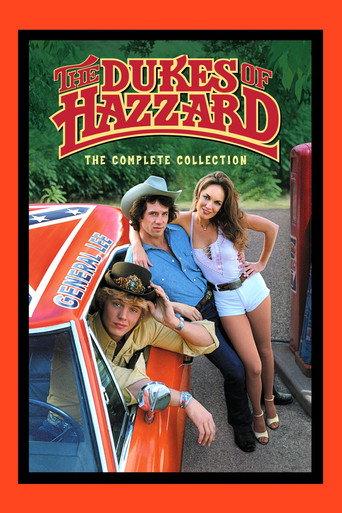
The Dukes of Hazzard
1979
The sourced concerns are substantially offset by delivered value.
What counts as a cash grab?
Commercial extraction prioritized over meaningful consumer or creative value. Profit, popularity, adaptations, sequels, remakes, high budgets, and normal marketing do not count by themselves.
Why?
The Dukes of Hazzard (1979-1985) shows both clear commercial exploitation and substantial production investment. Contemporary sources document heavy licensed merchandising including mass-market toys and branded apparel, and the series generated ongoing controversy and merchandise sales related to the General Lee roof flag. At the same time reputable accounts record extensive, destructive real-car stunts and a seven season run with enduring audience engagement. Evidence supports claims of strong monetization and some later low-effort reuse, while also documenting meaningful production craft.
- Extensive licensed merchandising and high-volume toy sales tied to the show indicate strong commercial extraction.
- Later-season budget cuts increased use of miniatures and stock footage, signaling some low-effort reuse.
- Primary production work included costly real-car stunts that destroyed many Chargers, showing technical and production investment.
View full breakdownHide full breakdown
- Long seven-season run and a later theatrical adaptation show substantive audience engagement and durable creative output.
Score factors
| Direction | Factor | Evidence | Impact |
|---|---|---|---|
| For | High-volume licensed merchandise | The series supported extensive licensed merchandise, with reports that Ertl sold millions of Dukes of Hazzard toy cars and USPTO filings describing long-term licensed use of Daisy Duke and other marks.[3][2] | +19 |
| Against | Costly real-car stunts and destruction of vehicles | Multiple reputable histories and technical accounts describe frequent, real stunts that destroyed many Dodge Chargers and required purchasing large numbers of cars for filming.[5][4] | -16 |
| For | Increased stock footage and miniatures in later seasons | Documentary and DVD-review sources report that by later seasons the show relied more on stock footage and miniature effects after budget cuts, indicating lower-effort reuse for some episodes.[1][6] | +15 |
| For | Controversial symbol tied to ongoing merchandise | The General Lee’s Confederate battle flag roof became a source of controversy that affected syndication and merchandise decisions, while some vendors continued to sell related items.[8] | +10 |
| Against | Long run and later adaptation indicate audience value | The original series ran seven seasons and 147 episodes and later inspired a 2005 theatrical adaptation, indicating durable audience engagement and enough substantive content to sustain long-term interest.[1][7] | -10 |
Confidence: High · Reputable histories, industry filings, and contemporary reviews provide direct evidence of heavy merchandising, production practices, and later-season effects; there is limited direct documentary evidence of predatory pricing or intentionally deceptive release practices. · Researched 2026-09-10
Sources reviewed
- [1]en.wikipedia.org
- [2]ttabvue.uspto.gov
- [3]freepressnewspapers.com
- [4]auto.howstuffworks.com
- [5]www.history.com
- [6]www.chud.com
- [7]www.latimes.com
- [8]en.wikipedia.org
- [9]en.wikipedia.org
- [10]www.chud.com
View 10 more sourcesShow fewer sources
Does the community agree?
Agree or disagree with the AI's cash-grab read. One vote per browser on this title.
Loading community verdict…