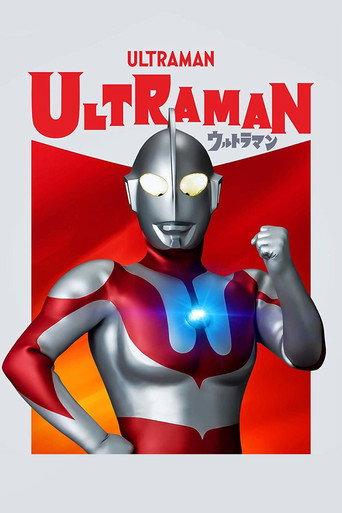
Ultraman
1966
The sourced concerns are substantially offset by delivered value.
What counts as a cash grab?
Commercial extraction prioritized over meaningful consumer or creative value. Profit, popularity, adaptations, sequels, remakes, high budgets, and normal marketing do not count by themselves.
Why?
Ultraman (1966) became a long‑running commercial franchise with extensive licensing and merchandising beginning after its 1966 broadcast, including decades of toy and licensing activity that Wikipedia summarizes as large merchandising revenue through the 1980s. At the same time contemporaneous production reporting and histories credit Eiji Tsuburaya and Tsuburaya Productions with deliberate special effects craft, novel suit and monster design, and serialized storytelling. I found evidence of sustained IP monetization but no sourced proof that the original 1966 production was a rushed or predatory cash grab.
- Historical sources document very large merchandising and licensing exploitation of the Ultraman brand from its 1966 debut onward.
- Tsuburaya and partners explicitly pursued licensing and toy releases, including modern Bandai and third party licenses.
- Contemporary and retrospective production histories credit Eiji Tsuburaya with pioneering tokusatsu craft and deliberate production choices for the 1966 series.
View full breakdownHide full breakdown
- I found no credible sources alleging deceptive release practices, predatory pricing, or that the original series was produced purely as low‑effort IP extraction.
Score factors
| Direction | Factor | Evidence | Impact |
|---|---|---|---|
| For | Large historical merchandising revenue | Sources report the Ultraman brand generated substantial merchandising revenue between its 1966 debut and later decades, with Wikipedia citing $7.4 billion in Japan from 1966 to 1987.[3] | +20 |
| Against | Pioneering production craft and effects | Retrospectives and production histories credit Eiji Tsuburaya and the 1966 Ultraman team with pioneering tokusatsu special effects, suit and monster design, and careful production decisions.[1][4][5] | -18 |
| For | Active licensing and toy commercialization | Tsuburaya Productions and partners continue to license Ultraman for toys and products, with Bandai and other licensees selling 1966 series figures and Tsuburaya public documents describing merchandising and licensing programs.[7][2][6] | +15 |
| Against | Original concept and substantive new content | The 1966 series introduced an original premise of a human host merged with an alien giant hero and a string of newly designed kaiju, indicating substantive original content rather than simple reuse.[1] | -15 |
| For | Deliberate IP cultivation by Tsuburaya | Tsuburaya corporate materials and investor reports describe active cultivation and repeated commercialization of Ultraman as a flagship IP since the 1966 series.[8][2] | +9 |
Confidence: High · Multiple reputable and primary sources document both large, sustained merchandising/licensing activity and detailed production histories for the 1966 series; there are no credible sources found that allege predatory or deceptive practices specific to the original 1966 production. · Researched 2026-09-23
Sources reviewed
- [1]www.denofgeek.com
- [2]tsuburaya-prod.com
- [3]en.wikipedia.org
- [4]en.wikipedia.org
- [5]ultrablogdx.wordpress.com
- [6]tsuburaya-prod.com
- [7]www.bandai.com
- [8]www.tsuburaya-fields.co.jp
- [9]en.wikipedia.org
- [10]ultra.fandom.com
View 11 more sourcesShow fewer sources
What does the community think?
The AI sees low cash-grab risk. What's your read?
Loading community verdict…