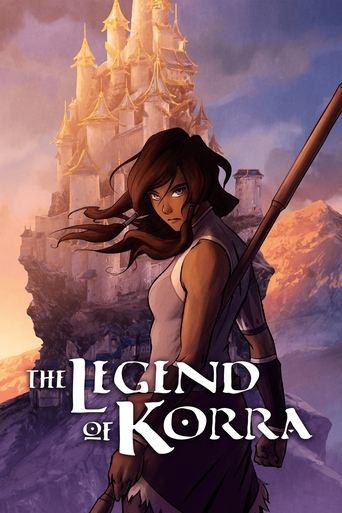
The Legend of Korra
2012
The sourced concerns are substantially offset by delivered value.
What counts as a cash grab?
Commercial extraction prioritized over meaningful consumer or creative value. Profit, popularity, adaptations, sequels, remakes, high budgets, and normal marketing do not count by themselves.
Why?
The Legend of Korra shows substantial evidence of being a genuine creative follow-up rather than a pure cash grab. The series features long production timelines, prominent South Korean animation partners and a commercially released soundtrack, and it pursued original, sometimes risky themes including an explicitly implied same-sex ending and later official comic continuations. That said there are extraction signals outside the core show, notably Nickelodeon shifting later episodes to online-only release and a licensed video game widely criticized as a rushed tie-in.
- The TV series had high production values, long per-episode production cycles, and credited animation studios and composers.
- Creators pursued substantive new storytelling and risky themes, including the Korra/Asami finale and official Dark Horse comic continuations.
- Nickelodeon moved later episodes (Books 3 and 4) to online release and reduced linear promotion, indicating network deprioritization.
View full breakdownHide full breakdown
- A licensed 2014 video game tie-in was reviewed as rushed and low-effort, described by critics as a work-for-hire tie-in.
Score factors
| Direction | Factor | Evidence | Impact |
|---|---|---|---|
| Against | High production values | The show credits experienced creators, long production cycles, professional overseas animation studios and an Emmy-recognized composer, reflecting substantial production investment.[1][3][2] | -18 |
| Against | Original, creator-led storytelling | The series delivered original narrative arcs and themes, concluded with an unprecedented implied same-sex relationship, and was extended through official Dark Horse comics written with creator involvement.[1][4] | -16 |
| For | Network moved later episodes online | Following Book 3, Nickelodeon shifted the back half of Book 3 and the entirety of Book 4 to online premiere windows, a distribution change widely reported as abrupt and indicative of the network deprioritizing linear broadcast.[1][6][5] | +9 |
| Against | Official soundtrack and home-media availability | Nickelodeon and Legacy Recordings released an official soundtrack and the series received standard home-media and streaming distribution, indicating consumer-facing releases rather than hidden monetization schemes.[7][1] | -8 |
| Against | Artistic risk and mature themes | Critics and commentators noted the show tackled mature political, spiritual and psychological issues uncommon for children's TV, showing artistic risk rather than formulaic brand-milking.[2][1] | -7 |
Confidence: High · Sources include contemporary reporting, major reviews, the series' official and industry press releases and production credits; gaps remain around internal Nickelodeon commercial strategy and precise financial motives which are not publicly documented. · Researched 2026-07-27
Sources reviewed
- [1]en.wikipedia.org
- [2]www.wired.com
- [3]www.avclub.com
- [4]digital.darkhorse.com
- [5]www.forbes.com
- [6]screencrush.com
- [7]ir.paramount.com
- [8]www.rottentomatoes.com
- [9]www.metacritic.com
- [10]en.wikipedia.org
View 209 more sourcesShow fewer sources
- [11]en.wikipedia.org
- [12]en.wikipedia.org
- [13]sequart.org
- [14]animesuperhero.com
- [15]en.wikipedia.org
- [16]en.wikipedia.org
- [17]www.crunchyroll.com
- [18]www.imdb.com
- [19]animesuperhero.com
- [20]www.themarysue.com
- [21]screencrush.com
- [22]www.mandatory.com
- [23]www.imdb.com
- [24]www.watchmojo.com
- [25]www.reddit.com
- [26]www.reddit.com
- [27]soar.suny.edu
- [28]www.reddit.com
- [29]www.reddit.com
- [30]www.reddit.com
- [31]www.reddit.com
- [32]www.reddit.com
- [33]www.reddit.com
- [34]transcripts.cnn.com
- [35]www.reddit.com
- [36]www.digitalriptide.org
- [37]dokumen.pub
- [38]www.digitalriptide.org
- [39]doczz.net
- [40]paperzz.com
- [41]www.journals.uchicago.edu
- [42]paperzz.com
- [43]doczz.net
- [44]doczz.net
- [45]doczz.net
- [46]paperzz.com
- [47]legendofkorrablog.wordpress.com
- [48]nickelodeon.fandom.com
- [49]www.nickalive.net
- [50]nickelodeon.fandom.com
- [51]ultimatekorra.blogspot.com
- [52]www.yahoo.com
- [53]www.yahoo.com
- [54]www.reddit.com
- [55]avatar.fandom.com
- [56]forums.digitalspy.com
- [57]www.yahoo.com
- [58]observer.com
- [59]www.reddit.com
- [60]www.reddit.com
- [61]www.reddit.com
- [62]soar.kennesaw.edu
- [63]www.reddit.com
- [64]en.wikipedia.org
- [65]handwiki.org
- [66]www.ilxor.com
- [67]profilpelajar.com
- [68]store.steampowered.com
- [69]www.engadget.com
- [70]encycloreader.org
- [71]store.steampowered.com
- [72]it.unionpedia.org
- [73]store.steampowered.com
- [74]www.nintendolife.com
- [75]sg.news.yahoo.com
- [76]paramount.fandom.com
- [77]www.ebay.com
- [78]actiontoys.com
- [79]actiontoys.com
- [80]pa.ebay.com
- [81]pa.ebay.com
- [82]figurerealm.com
- [83]www.ebay.com
- [84]toy-history.blogspot.com
- [85]figurerealm.com
- [86]sv.ebay.com
- [87]www.bidbuy.co.kr
- [88]figurerealm.com
- [89]www.garimpavinil.com.br
- [90]www.rottentomatoes.com
- [91]www.metacritic.com
- [92]www.newgamenetwork.com
- [93]anibproductions.wordpress.com
- [94]steamcommunity.com
- [95]www.denofgeek.com
- [96]godisageek.com
- [97]www.nickalive.net
- [98]www.escapistmagazine.com
- [99]it.wikipedia.org
- [100]dumbledoreshotfirst.blogspot.com
- [101]es.wikipedia.org
- [102]en.wikipedia.org
- [103]en.wikipedia.org
- [104]en.wikipedia.org
- [105]www.duqsm.com
- [106]mro.massey.ac.nz
- [107]www.nickalive.net
- [108]www.nickalive.net
- [109]www.jubileecast.com
- [110]ultimatepopculture.fandom.com
- [111]everything.explained.today
- [112]www.nintendoworldreport.com
- [113]heykidscomics.fandom.com
- [114]avatar.fandom.com
- [115]animatedviews.com
- [116]paramount.fandom.com
- [117]forums.serebii.net
- [118]en.wikipedia.org
- [119]en.wikipedia.org
- [120]www.nickalive.net
- [121]nickelodeon.fandom.com
- [122]www.nickalive.net
- [123]www.nickalive.net
- [124]www.nickalive.net
- [125]legendofkorrablog.wordpress.com
- [126]www.nickalive.net
- [127]alwayssometimesvillains.wordpress.com
- [128]screencrush.com
- [129]en.wikipedia.org
- [130]it.wikipedia.org
- [131]ccrm.dreamcoders.net
- [132]dl.tufts.edu
- [133]archives.nd.edu
- [134]studentsrepo.um.edu.my
- [135]www.rottentomatoes.com
- [136]www.filmaffinity.com
- [137]larkid.pages.dev
- [138]televisionandfilm.fandom.com
- [139]heykidscomics.fandom.com
- [140]clarence.fandom.com
- [141]tvverse.fandom.com
- [142]music.amazon.com
- [143]thenote.app
- [144]ultimatepopculture.fandom.com
- [145]the-jh-movie-collection-official.fandom.com
- [146]the-jh-movie-collection-official.fandom.com
- [147]infolab.stanford.edu
- [148]www.nickalive.net
- [149]everything.explained.today
- [150]forum.kungfumagazine.com
- [151]wiki.kidzsearch.com
- [152]televisionandfilm.fandom.com
- [153]avatar.fandom.com
- [154]avatar.fandom.com
- [155]avatar.fandom.com
- [156]jhmoviecollection.fandom.com
- [157]www.nickalive.net
- [158]www.nickalive.net
- [159]www.nickalive.net
- [160]www.nickalive.net
- [161]www.imdb.com
- [162]www.mclennancostume.com
- [163]ultimatepopculture.fandom.com
- [164]paramount.fandom.com
- [165]forums.superherohype.com
- [166]nickelodeon-movies.fandom.com
- [167]it.wikipedia.org
- [168]www.museumofplay.org
- [169]gameideas.fandom.com
- [170]ideas.fandom.com
- [171]www.tumgik.com
- [172]the-jh-movie-collection-official.fandom.com
- [173]en.wikipedia.org
- [174]de.scribd.com
- [175]everydaypower.com
- [176]www.englishcentral.com
- [177]www.wired.com
- [178]www.wired.com
- [179]www.wired.com
- [180]animation.fandom.com
- [181]the-jh-movie-collection-official.fandom.com
- [182]ultimatepopculture.fandom.com
- [183]digital.darkhorse.com
- [184]comicbook.com
- [185]www.g-mart.com
- [186]www.darkhorse.com
- [187]www.darkhorse.com
- [188]play.google.com
- [189]catalog.spokanelibrary.org
- [190]opac.westchesterlibraries.org
- [191]images.darkhorse.com
- [192]en.wikipedia.org
- [193]wiki2.org
- [194]www.scribd.com
- [195]comicbookroundup.com
- [196]images.darkhorse.com
- [197]www.intrinseca.com.br
- [198]en.wikipedia.org
- [199]www.reddit.com
- [200]ru.wikipedia.org
- [201]en.wikipedia.org
- [202]www.milehighcomics.com
- [203]www.reddit.com
- [204]fansconference.org
- [205]www.reddit.com
- [206]ir.paramount.com
- [207]ultimatepopculture.fandom.com
- [208]www.nickalive.net
- [209]filmmusicreporter.com
- [210]www.prnewswire.com
- [211]mobile.top40-charts.com
- [212]www.themarysue.com
- [213]www.nickalive.net
- [214]www.latintimes.com
- [215]estadoavatar.blogspot.com
- [216]spinitron.com
- [217]www.eurogamer.net
- [218]www.studiomir.co.kr
- [219]www.eurogamer.net
What does the community think?
The AI sees low cash-grab risk. What's your read?
Loading community verdict…