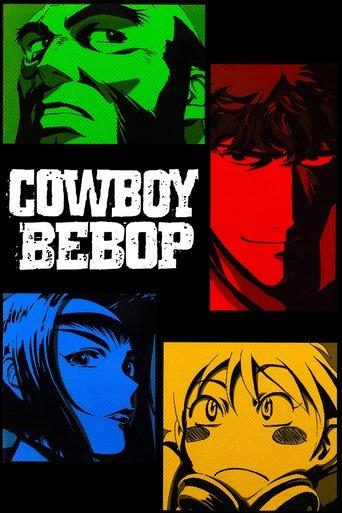
Cowboy Bebop
1998
The sourced concerns are substantially offset by delivered value.
What counts as a cash grab?
Commercial extraction prioritized over meaningful consumer or creative value. Profit, popularity, adaptations, sequels, remakes, high budgets, and normal marketing do not count by themselves.
Why?
Cowboy Bebop (1998) was developed as an original, auteur-driven 26-episode TV anime by Sunrise with director Shinichirō Watanabe and composer Yoko Kanno, and it received strong critical acclaim, awards, a theatrical film, and enduring home-video and streaming presence. Searches of production histories, contemporary coverage, and major reference sites show no reporting of predatory monetization, deceptive release practices, or low-effort brand exploitation tied to the original series, while multiple sources document substantial creative investment and industry recognition.
- Original, auteur-led production with recognized director and composer and documented awards.
- Widespread critical acclaim and enduring consumer availability indicate substantive consumer value.
- Initial broadcast censorship and later full satellite airing show artistic risk rather than rushed release.
View full breakdownHide full breakdown
- No reputable reporting found of predatory monetization, deceptive pricing, or deliberate low-effort reuse for profit.
Score factors
| Direction | Factor | Evidence | Impact |
|---|---|---|---|
| Against | High production craft | Cowboy Bebop was produced by Sunrise and led by director Shinichirō Watanabe with composer Yoko Kanno and credited creative leads, and contemporary sources describe cinematic episode treatment.[2][1] | -18 |
| Against | Original substantive content | The series is an original 26-episode television anime with a distinct soundtrack and a later theatrical film, demonstrating substantial new creative material rather than recycled content.[1][3] | -16 |
| Against | Enduring consumer value and acclaim | The series has sustained critical acclaim, documented awards, strong review aggregation scores, and ongoing availability on home video and streaming platforms, signaling consumer value.[1][5] | -11 |
| Against | Artistic and editorial risk | Several episodes were judged unsuitable for initial open broadcast and the full run was later shown on satellite, indicating the show took artistic risks rather than being produced solely as a safe mass-market product.[7][4] | -6 |
| For | No exploitative monetization found | Reputable production histories and contemporary coverage do not report predatory monetization or deceptive pricing tied to the 1998 TV series.[1][6][4] | +5 |
| For | No evidence of brand exploitation | Major sources and retrospectives discuss the series' influence and legacy but do not document low-effort reuse or exploitative tie-ins connected to the original 1998 release.[1][6] | +2 |
Confidence: High · Multiple reputable production histories, contemporary reviews, and archival sources document strong creative investment and acclaim while no credible reporting was found of predatory monetization or rushed deceptive release practices for the 1998 TV series. · Researched 2026-09-04
Sources reviewed
- [1]en.wikipedia.org
- [2]www.sunrise-inc.co.jp
- [3]en.wikipedia.org
- [4]www.awn.com
- [5]www.rottentomatoes.com
- [6]time.com
- [7]en.wikipedia.org
- [8]editorial.rottentomatoes.com
- [9]www.animationforadults.com
- [10]www.awn.com
View 10 more sourcesShow fewer sources
Does the community agree?
Agree or disagree with the AI's cash-grab read. One vote per browser on this title.
Loading community verdict…