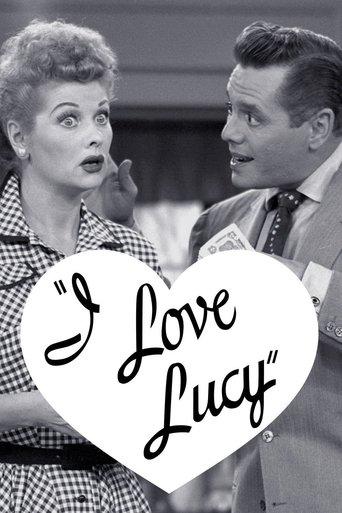
I Love Lucy
1951
The sourced concerns are substantially offset by delivered value.
What counts as a cash grab?
Commercial extraction prioritized over meaningful consumer or creative value. Profit, popularity, adaptations, sequels, remakes, high budgets, and normal marketing do not count by themselves.
Why?
I Love Lucy originated in 1951 as a Desilu/CBS television production created by Lucille Ball and Desi Arnaz, it introduced filmed multi‑camera sitcom techniques and established off‑network syndication practices. Contemporary and retrospective sources emphasize substantial original writing, permanent sets, technical craft, and the creation of Desilu as a production company that monetized reruns through legitimate syndication deals. I found no credible evidence of predatory pricing, deceptive release practices, or deliberate low‑effort reuse intended primarily to extract consumer funds.
- Contemporary sources document original production innovation and costly permanent sets built by Desilu.
- Desilu and CBS monetized the show via formal syndication sales, reported as business deals rather than predatory practices.
- Scholarly and archival sources credit substantial writing, cast work, and technical craft as central to the series.
View full breakdownHide full breakdown
- No independent reporting found that characterizes the original 1951 series release as rushed, deceptive, or primarily a predatory cash grab.
Score factors
| Direction | Factor | Evidence | Impact |
|---|---|---|---|
| Against | Production innovation and craft | Multiple archival and industry sources credit I Love Lucy with pioneering filmed multi camera production, permanent sets, and significant technical craft in 1951 production.[1] | -18 |
| Against | Substantive original content | Scholarly and media histories describe original scripts, recurring characters, and culturally influential episodes produced specifically for the series.[2][3] | -17 |
| Against | Widespread consumer value and access | Histories and institutional exhibits present the show as culturally influential and widely watched, indicating ongoing consumer value rather than mere exploitation.[4][5] | -11 |
| For | Syndication monetization | Desilu sold off‑network rerun rights to CBS in the 1950s for millions, a documented business transaction that created long‑term revenue streams.[7][6] | +10 |
Confidence: High · Authoritative archival, industry and scholarly sources document production practices, syndication deals, and cultural reception; there is no credible evidence in these sources indicating predatory monetization or low effort reuse for the original 1951 series. · Researched 2026-11-09
Sources reviewed
- [1]www.loc.gov
- [2]en.wikipedia.org
- [3]www.pbs.org
- [4]www.loc.gov
- [5]www.history.com
- [6]www.worldradiohistory.com
- [7]www.televisionacademy.com
- [8]interviews.televisionacademy.com
- [9]www.latimes.com
- [10]www.foxnews.com
View 10 more sourcesShow fewer sources
What does the community think?
The AI sees low cash-grab risk. What's your read?
Loading community verdict…