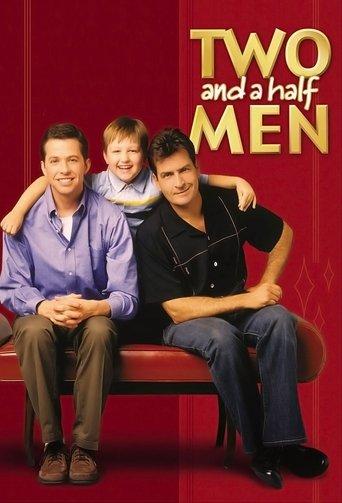
Two and a Half Men
2003
The sourced concerns are substantially offset by delivered value.
What counts as a cash grab?
Commercial extraction prioritized over meaningful consumer or creative value. Profit, popularity, adaptations, sequels, remakes, high budgets, and normal marketing do not count by themselves.
Why?
Two and a Half Men was a commercially massive network sitcom from 2003 to 2015 that generated large syndication and license-fee income, and industry reporting shows studio decisions prioritized preserving that revenue after Charlie Sheen’s 2011 departure. At the same time the series produced many seasons and episodes, maintained high ratings including a record-setting Season 9 premiere with Ashton Kutcher, and continued to earn syndication and viewer demand, which supports substantial production and consumer value.
- Industry reporting documents quick cast replacement to protect syndication and license-fee income.
- Public reporting of high per-episode pay and settlements shows large commercial stakes tied to the series.
- The show ran 2003-2015 across 12 seasons with hundreds of episodes, indicating sustained production investment.
View full breakdownHide full breakdown
- Post-Sheen seasons produced new lead material and achieved a record ratings premiere, showing substantive new content and continued viewer demand.
Score factors
| Direction | Factor | Evidence | Impact |
|---|---|---|---|
| For | Studio protected syndication income | Reporting states executives pursued a rapid replacement and continuation strategy because losing a season would have cost the studio tens of millions in syndication and license-fee revenue.[1] | +19 |
| Against | Long run and high episode count | The series aired from 2003 to 2015 across 12 seasons with a large episode catalogue, reflecting substantial, sustained production investment.[3] | -18 |
| Against | Substantive new lead material | After Charlie Sheen left, Ashton Kutcher’s arrival as a new lead produced new storylines and the Season 9 premiere set a series ratings record.[2][4] | -12 |
| For | Large compensation and settlement figures | Contemporary reporting noted Charlie Sheen’s compensation (about $2 million per episode when rerun revenue included) and reported settlement figures around $25 million, showing large monetary flows connected to the property.[5][2] | +11 |
| Against | Syndication performance and audience demand | Reporting and trade coverage emphasize the show’s dominance in syndication and ongoing license-fee income, indicating continued consumer demand rather than purely exploitative reuse.[1][6] | -10 |
Confidence: High · Major contemporary trade and national news outlets document the studio’s revenue-driven decisions and the show’s ratings, run length, and syndication performance, though internal executive motives beyond preserving license fees are interpretive rather than directly quoted. · Researched 2026-09-04
Sources reviewed
- [1]www.latimes.com
- [2]www.cbsnews.com
- [3]en.wikipedia.org
- [4]www.tvguide.com
- [5]www.latimes.com
- [6]www.cbsnews.com
- [7]en.wikipedia.org
- [8]en.wikipedia.org
- [9]en.wikipedia.org
- [10]en.wikipedia.org
View 8 more sourcesShow fewer sources
What does the community think?
The AI sees low cash-grab risk. What's your read?
Loading community verdict…