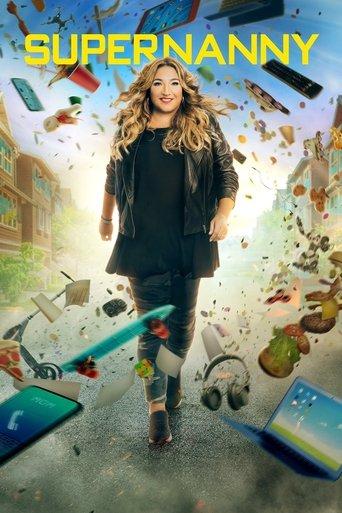
Supernanny
2005
The sourced concerns are substantially offset by delivered value.
What counts as a cash grab?
Commercial extraction prioritized over meaningful consumer or creative value. Profit, popularity, adaptations, sequels, remakes, high budgets, and normal marketing do not count by themselves.
Why?
I found no credible reporting that the 2005 Supernanny (Jo Frost) series was produced primarily as a predatory commercial cash grab. The program ran for multiple U.S. seasons from 2005, was revived in 2020, spawned international format sales and books, and received mainstream press coverage as a parenting-help program. Independent academic and press sources note ethical debate about the show's mode of representation, but I did not find evidence of deceptive pricing, pay-to-play monetization, or rushed release practices designed to extract consumers.
- Long-running U.S. series with multiple seasons and a 2020 revival, indicating sustained audience value.
- Format sold and adapted internationally with spin-off books and appearances, showing substantive commercialization but not proof of predatory monetization.
- Mainstream reviews describe practical parenting advice rather than low-effort reuse or deceptive release.
View full breakdownHide full breakdown
- Academic and press critiques point to ethical concerns about shaming families, this is content-ethics criticism not direct evidence of a cash-grab.
Score factors
| Direction | Factor | Evidence | Impact |
|---|---|---|---|
| Against | Long running production | The U.S. Supernanny series premiered January 17, 2005, ran for multiple seasons through 2011 and was revived for a 2020 season, showing sustained production and broadcaster support.[2] | -18 |
| Against | Format licensing and spin-outs | The Supernanny format was adapted in many countries and Jo Frost produced books and additional parenting programs, indicating substantive new content and format export rather than a single opportunistic product.[3][1] | -16 |
| For | No evidence of predatory monetization | I found no credible reporting or official disclosures alleging deceptive pricing, pay-to-play monetization, mandatory paid services, or other predatory revenue practices tied to the 2005 Supernanny series.[4] | +15 |
| For | Ethical and representation criticism | Academic and media commentary has criticized the format for shaming or staging family struggles, an ethics critique about representation that does not, by itself, demonstrate commercial extraction.[5][1] | +8 |
| Against | Practical parenting focus in press reviews | Contemporary mainstream reviews present Supernanny as a show dispensing practical parenting advice and documenting family transformation rather than a minimalist cash-extraction product.[6] | -6 |
Confidence: High · Sources include contemporaneous press, encyclopedic production records, and academic analysis; gaps remain around proprietary contract details and internal producer intent which are not publicly documented. · Researched 2026-09-30
Sources reviewed
- [1]s3.ap-southeast-1.amazonaws.com
- [2]en.wikipedia.org
- [3]en.wikipedia.org
- [4]www.prnewswire.com
- [5]en.wikipedia.org
- [6]www.washingtonpost.com
- [7]en.wikipedia.org
- [8]www.tvguide.com
- [9]www.rottentomatoes.com
- [10]www.thetvdb.com
View 11 more sourcesShow fewer sources
- [11]www.tvguide.com
- [12]pro.imdb.com
- [13]thetvdb.com
- [14]epguides.com
- [15]warnerbros.fandom.com
- [16]www.tvinsider.com
- [17]www.imdb.com
- [18]en.wikipedia.org
- [19]fr.wikipedia.org
- [20]www.reddit.com
- [21]oro.open.ac.uk
What does the community think?
The AI sees low cash-grab risk. What's your read?
Loading community verdict…