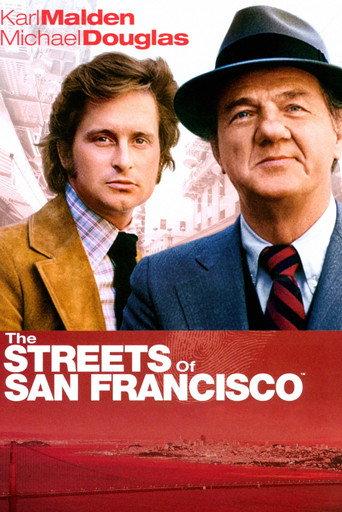
The Streets of San Francisco
1972
The sourced concerns are substantially offset by delivered value.
What counts as a cash grab?
Commercial extraction prioritized over meaningful consumer or creative value. Profit, popularity, adaptations, sequels, remakes, high budgets, and normal marketing do not count by themselves.
Why?
The Streets of San Francisco (1972-1977) shows no credible evidence of being a commercial cash grab. Contemporary coverage, awards listings, and later retrospectives describe it as a Quinn Martin produced, location-shot crime drama starring Karl Malden and Michael Douglas, with multiple Emmy nominations, a five-season run, and on-location production praised by critics. I found no reporting of predatory monetization, rushed or deceptive release practices, or low-effort reuse; later revival attempts existed but do not by themselves indicate exploitative intent.
- Contemporary and retrospective reporting emphasizes production quality, location shooting, and critical recognition.
- Show ran five seasons with 122 episodes and multiple Emmy nominations, indicating sustained investment and audience value.
- No sourced reporting or studio disclosures were found that describe predatory monetization, deceptive releases, or blatant low-effort reuse.
View full breakdownHide full breakdown
- A 1992 reunion TV movie exists, but sources show it lacked key original talent and do not allege exploitative pricing or deceptive marketing.
Score factors
| Direction | Factor | Evidence | Impact |
|---|---|---|---|
| Against | Documented production craftsmanship | Contemporary and retrospective sources highlight Quinn Martin production values, location filming in San Francisco, and substantial guest casts, supporting significant production investment.[1][2] | -18 |
| Against | Original and substantive content | The pilot was adapted from a 1972 novel but the series delivered original, episodic crime stories and character development across five seasons rather than recycled material.[1][3] | -16 |
| Against | Consumer reception and industry recognition | The show earned multiple Emmy nominations and sustained viewership for five seasons, indicating recognized consumer and industry value rather than a quick extraction.[5][4] | -11 |
| For | No evidence of low effort reuse | The series produced 122 episodes across five seasons with original scripts and location shooting, which is inconsistent with a demonstrably low-effort repackaging.[6][1] | +9 |
| For | No reported exploitative monetization | I found no contemporary or later reporting alleging predatory pricing, paywalls, deceptive licensing, or other exploitative monetization tied to the original series run.[1][2] | +8 |
| For | Limited brand-exploitation signal | A 1992 made-for-TV reunion movie was produced, but reporting notes Michael Douglas did not participate and sources do not allege deceptive practices or predatory monetization in that revival.[7][8] | +4 |
Confidence: High · Evidence comes from multiple reputable contemporaneous and retrospective sources documenting production, episode counts, awards, and reviews, while no credible reports of predatory monetization or rushed deceptive release were found, however internal studio contracts and detailed financials were not · Researched 2026-09-02
Sources reviewed
- [1]en.wikipedia.org
- [2]www.sfgate.com
- [3]www.paleycenter.org
- [4]www.imdb.com
- [5]www.televisionacademy.com
- [6]en.wikipedia.org
- [7]en.wikipedia.org
- [8]www.latimes.com
- [9]en.wikipedia.org
- [10]en.wikipedia.org
View 12 more sourcesShow fewer sources
What does the community think?
The AI sees low cash-grab risk. What's your read?
Loading community verdict…