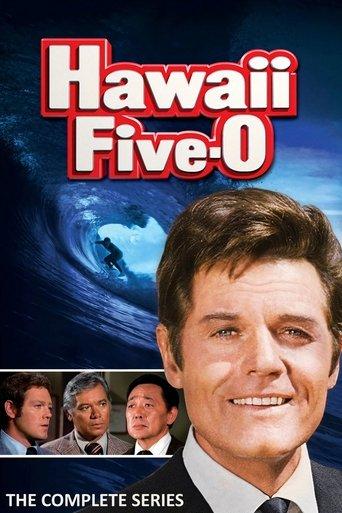
Hawaii Five-O
1969
The sourced concerns are substantially offset by delivered value.
What counts as a cash grab?
Commercial extraction prioritized over meaningful consumer or creative value. Profit, popularity, adaptations, sequels, remakes, high budgets, and normal marketing do not count by themselves.
Why?
I searched contemporary and reference sources about the 1968 Hawaii Five-O television series for signs of predatory monetization, rushed release, or low-effort brand exploitation and found no credible reporting that the original series was produced primarily as a cash grab. The show was filmed largely on location in Hawaii, ran twelve seasons with 282 episodes, generated a well-known theme by Morton Stevens, and has an established syndication and cultural footprint, while available corporate filings describe syndication as a general revenue channel without alleging exploitative practices specific to this series.
- No credible sources report predatory monetization, deceptive release practices, or rushed production for the 1968 Hawaii Five-O series.
- The series was shot largely on location in Hawaii, indicating sustained production effort and higher production complexity.
- Hawaii Five-O ran for twelve seasons and produced 282 episodes, demonstrating durable audience value rather than a one-off cash play.
View full breakdownHide full breakdown
- The theme music and consistent reruns show cultural and consumer value beyond immediate commercial exploitation, though syndication provided ongoing commercial returns.
Score factors
| Direction | Factor | Evidence | Impact |
|---|---|---|---|
| Against | On-location production in Hawaii | Multiple sources document that the series was shot almost entirely on location in Honolulu and on Oahu, which indicates sustained location production complexity and cost.[3][4] | -18 |
| Against | Long broadcast run and episode volume | The original series aired from 1968 to 1980 and produced 282 episodes across twelve seasons, reflecting long-term audience demand and a substantial content catalog.[1] | -18 |
| For | No direct evidence of predatory monetization | I found no credible contemporary or retrospective reporting that the 1968 Hawaii Five-O production engaged in predatory monetization, deceptive release, or other extraction practices specific to the series.[2] | +13 |
| Against | Recognized theme and enduring cultural presence | Morton Stevens' instrumental theme is widely cited as culturally memorable and the series continues in reruns and home video releases, indicating consumer value beyond initial broadcast.[5][6][1] | -9 |
| For | Syndication as a general studio revenue channel | Corporate filings and distribution histories show that CBS/Paramount historically used off-network syndication and international licensing, including titles such as Hawaii Five-O, as a standard revenue stream, but those sources do not allege that the series was structured with predatory monetization.[2][7][8] | +8 |
Confidence: High · Sources are authoritative production histories, corporate filings, and broadcast-reference encyclopedias that document production practices, episode counts, location shooting, and syndication but none allege exploitative practices specific to this title. · Researched 2026-09-19
Sources reviewed
- [1]www.tvencyclopedia.org
- [2]www.sec.gov
- [3]paramountglobalcontent.com
- [4]filmoffice.hawaii.gov
- [5]en.wikipedia.org
- [6]www.blu-ray.com
- [7]en.wikipedia.org
- [8]ir.paramount.com
- [9]en.wikipedia.org
- [10]www.imdb.com
View 30 more sourcesShow fewer sources
- [11]www.classic-tv.com
- [12]en.wikipedia.org
- [13]kiwix.thunderforge.net
- [14]kiwix.starmango.org
- [15]www.fiveohomepage.com
- [16]pt.wikipedia.org
- [17]www.fiveohomepage.com
- [18]www.metacritic.com
- [19]www.fiveohomepage.com
- [20]citeseerx.ist.psu.edu
- [21]escholarship.org
- [22]en.wikipedia.org
- [23]fiveohomepage.com
- [24]en.wikipedia.org
- [25]www.worldradiohistory.com
- [26]en.wikipedia.org
- [27]ir.people-incorporated.com
- [28]en.wikipedia.org
- [29]manuals.plus
- [30]ir.people-incorporated.com
- [31]doczz.net
- [32]www.annualreports.com
- [33]s.veneneo.workers.dev
- [34]www.annualreports.com
- [35]ir.people-incorporated.com
- [36]ir.paramount.com
- [37]a.osmarks.net
- [38]library.futurelabz.dev
- [39]manuals.plus
- [40]kiwi.itspektar.net
What does the community think?
The AI sees low cash-grab risk. What's your read?
Loading community verdict…