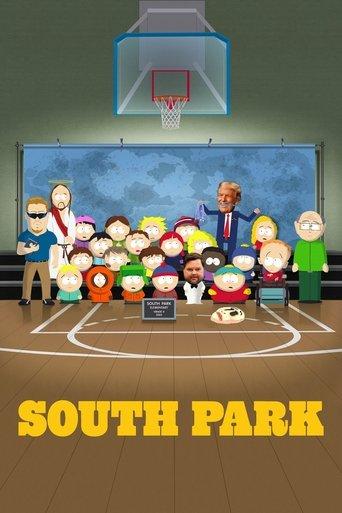
South Park
1997
The sourced concerns are substantially offset by delivered value.
What counts as a cash grab?
Commercial extraction prioritized over meaningful consumer or creative value. Profit, popularity, adaptations, sequels, remakes, high budgets, and normal marketing do not count by themselves.
Why?
South Park premiered on August 13, 1997 and over decades has generated substantial commercial revenue through television, online distribution, a feature film, stage musical tie ins, licensed games, and branded content, while its creators retained creative control and a fast production workflow. Reporting documents large revenue-sharing deals and an official streaming hub, but independent coverage and industry awards also show sustained original content, technical craft, and deliberate artistic risk, with limited authoritative evidence that the core TV series was released or run as a predatory cash grab.
- Creators negotiated large revenue-sharing and online distribution deals, showing strong commercial monetization.
- Authoritative production reporting documents a six-day production cycle and ongoing creator control, indicating sustained creative investment.
- The franchise produced substantive new works including a theatrical film and the Book of Mormon musical, demonstrating major creative output.
View full breakdownHide full breakdown
- Fan criticism of some licensed games alleges cash-grab behavior, but those claims are primarily forum-driven and not widely corroborated by major outlets.
Score factors
| Direction | Factor | Evidence | Impact |
|---|---|---|---|
| Against | Rapid production and creator control | A Television Academy feature and production reporting state Trey Parker and Matt Stone maintain close creative control and produce episodes on a punishing, sometimes six-day schedule, showing hands-on craft and topical risk-taking.[1] | -18 |
| Against | Major original works beyond the series | The franchise generated substantial original productions, notably the theatrical film South Park: Bigger, Longer & Uncut and the creators' Broadway musical Book of Mormon, showing material new creative output and investment.[3][4] | -16 |
| For | Major revenue-sharing deals | Reporting documents a large online ad revenue and distribution deal tied to the creators that extended the series and produced SouthParkStudios.com, reported in trade coverage as a sizable multi-million dollar arrangement.[2] | +15 |
| Against | Official online distribution and studio site | The franchise established SouthParkStudios.com and official online content initiatives that expanded consumer access while monetizing content, as described in contemporary reporting and the show's own studio communications.[2][6] | -8 |
| For | Fan accusations about licensed games | Some licensed South Park games and mobile tie-ins have prompted fan posts accusing them of being cash grabs, though those claims are mostly expressed on forums and subreddit threads rather than in broad authoritative reporting.[5][8] | +8 |
| Against | Award recognition and topical satire | Contemporary press coverage and industry recognition note the show’s controversial topical satire and award wins, indicating ongoing artistic and technical risk rather than purely exploitative reuse.[7][1] | -8 |
Confidence: High · Authoritative production reporting and trade coverage document creator control, production methods, and major revenue deals while independent sources show significant original outputs; direct evidence of predatory monetization for the TV series itself is limited. · Researched 2026-07-30
Sources reviewed
- [1]www.televisionacademy.com
- [2]www.cartoonbrew.com
- [3]en.wikipedia.org
- [4]www.wrvo.org
- [5]www.reddit.com
- [6]southpark.cc.com
- [7]time.com
- [8]www.reddit.com
- [9]www.latimes.com
- [10]www.independent.co.uk
View 12 more sourcesShow fewer sources
What does the community think?
The AI sees low cash-grab risk. What's your read?
Loading community verdict…