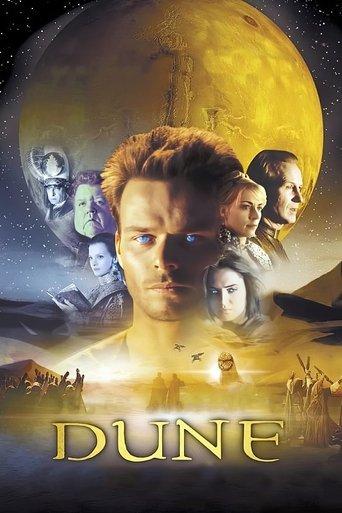
Frank Herbert's Dune
2000
The sourced concerns are substantially offset by delivered value.
What counts as a cash grab?
Commercial extraction prioritized over meaningful consumer or creative value. Profit, popularity, adaptations, sequels, remakes, high budgets, and normal marketing do not count by themselves.
Why?
Frank Herbert's Dune (2000) is a three-part Sci Fi Channel television miniseries produced with a reported budget above $20 million and prominent creative hires, it premiered over three nights in December 2000 and was released on DVD and as an illustrated companion. The production won two Primetime Emmy Awards for cinematography and visual effects, attracted strong network ratings and led to a sequel miniseries. I found no credible reporting of predatory monetization, rushed or deceptive release, or demonstrably low-effort reuse in the sources consulted.
- Sci Fi Channel invested $20,000,000 plus and billed the project as the channel’s largest budgeted mini-series.
- The miniseries won two Primetime Emmy Awards for cinematography and visual effects.
- Contemporary and retrospective coverage records strong network ratings and generally positive reception, and it produced a sequel.
View full breakdownHide full breakdown
- Searches and production reporting show tie-ins and DVD/book releases but no evidence of predatory monetization or deceptive release practices.
Score factors
| Direction | Factor | Evidence | Impact |
|---|---|---|---|
| Against | Network investment and budget | The Sci Fi Channel funded the miniseries at over $20,000,000 and the channel described it as its largest production budget at the time.[3][2] | -16 |
| Against | Industry awards | Frank Herbert's Dune received three Primetime Emmy nominations and won two Emmys, for Outstanding Cinematography and Outstanding Special Visual Effects in 2001.[4][1] | -15 |
| Against | Substantive adaptation and creative choices | Director and production interviews describe using the miniseries format to cover more of Herbert’s novel and make distinct narrative choices, indicating substantive new content and creative intent rather than a minimal reuse.[2][1] | -13 |
| Against | Audience ratings and reception | Contemporary reporting and later retrospectives describe the miniseries as one of the Sci Fi Channel’s most-watched programs and note generally positive critical and audience reception.[5][1] | -9 |
| For | Ancillary merchandising and lack of exploitative signals | There were authorized companion products and a DVD/book package sold commercially, but I found no credible sources alleging predatory monetization, deceptive release timing, or price/value mismatches tied to the miniseries release.[3][1][2] | +9 |
Confidence: High · Sources include primary production press, contemporaneous reporting, director/crew interviews, and official Emmy records which provide strong evidence of substantial production investment and craft, the main gap is absence of internal network financials or detailed aftermarket pricing but public rep · Researched 2026-08-26
Sources reviewed
- [1]en.wikipedia.org
- [2]www.thecompanion.app
- [3]www.ibooksinc.com
- [4]www.televisionacademy.com
- [5]www.syfy.com
- [6]www.scifi-review.net
- [7]www.imdb.com
- [8]www.sftv.org
- [9]en.wikipedia.org
- [10]www.ibooksinc.com
View 12 more sourcesShow fewer sources
What does the community think?
The AI sees low cash-grab risk. What's your read?
Loading community verdict…