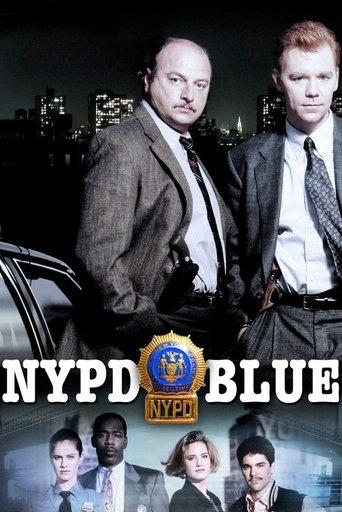
NYPD Blue
1993
The sourced concerns are substantially offset by delivered value.
What counts as a cash grab?
Commercial extraction prioritized over meaningful consumer or creative value. Profit, popularity, adaptations, sequels, remakes, high budgets, and normal marketing do not count by themselves.
Why?
NYPD Blue premiered on ABC in 1993 and across its run received sustained critical acclaim, high ratings, and dozens of industry awards. Contemporary reporting frames the series as an artistically risky, boundary-pushing prime time drama that generated controversy over language and partial nudity, not as a product primarily engineered for extractive monetization. I found no credible reporting that the show employed predatory pricing, deceptive release tactics, or intentionally low-effort reuse to exploit the brand rather than deliver substantive creative value.
- Contemporary press and industry sources emphasize creative risk and controversy over content, not monetization.
- The series earned widespread critical praise and numerous Emmy and industry awards, indicating recognized production craft.
- Initial controversy involved nudity and language and some affiliate preemptions, not studio claims of deceptive release or exploitative pricing.
View full breakdownHide full breakdown
- I found no credible sources documenting predatory monetization, packaged reuse, or rushed deceptive release practices for this series.
Score factors
| Direction | Factor | Evidence | Impact |
|---|---|---|---|
| Against | Production craft and awards | NYPD Blue garnered extensive industry recognition, including numerous Emmy nominations and wins that attest to substantial production craft.[1][2] | -18 |
| Against | Innovative and substantive content | Contemporary reviews and retrospectives describe the show as gritty and groundbreaking in language, tone, and serialized character work, indicating substantive new creative content.[1] | -17 |
| For | No evidence of exploitative monetization | I found no credible reporting of predatory monetization, packaged low-effort reuse, or deceptive pricing tied to NYPD Blue's original broadcast or production.[1] | +13 |
| Against | Audience reception and network support | Despite affiliate preemptions, the premiere reached strong Nielsen ratings and ABC reported sold-out ad inventory, showing commercial success without evidence of deceptive tactics.[4][3] | -10 |
| Against | Controversy centered on content not monetization | Press coverage and advocacy group objections focused on nudity and strong language rather than studio exploitation or deceptive release practices.[5][3] | -6 |
Confidence: High · Contemporary journalism, industry records, and major reference sources consistently document artistic risk, awards, and controversy over content while showing no credible evidence of predatory monetization or deceptive release practices. · Researched 2026-10-03
Sources reviewed
- [1]en.wikipedia.org
- [2]en.wikipedia.org
- [3]www.latimes.com
- [4]www.latimes.com
- [5]www.washingtonpost.com
- [6]www.rottentomatoes.com
- [7]www.imdb.com
- [8]www.metacritic.com
- [9]en.wikipedia.org
- [10]www.washingtonpost.com
View 10 more sourcesShow fewer sources
What does the community think?
The AI sees low cash-grab risk. What's your read?
Loading community verdict…